The Roller Skating Time Machine
The Olympia Files, part 2.
One of the things I like about roller skating is that it has never been elite in any way. It's been popular, it's been mainstream, it's been fringe. It's been black and it's been gay. If it becomes fashionable for a brief instant, it quickly reverts to being dated, retro, uncool, or camp. It's never made it into the Olympics; its much younger upstart cousin skateboarding overtook it to win that prized spot. But somehow, the core values of roller skating are only emphasised by these supposed failures... it's fun, it's pop, it's pep.
In the early 20th century, roller skating was undergoing one of its many periodic slumps. The pastime had exploded into the mainstream in the late 1800s and made its way to Australia; but by 1910 it was seemingly in decline. So that year may have been an inopportune time to launch a roller skating rink, but that was when the Olympia opened its doors.
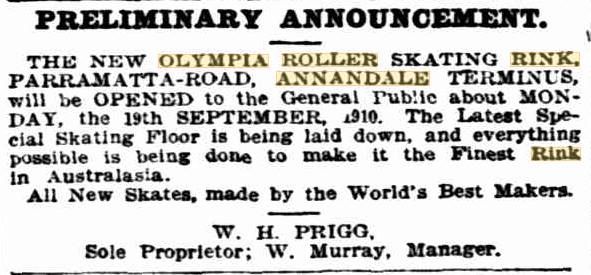
Despite the best intentions of the esteemed Messrs Prigg and Murray (proprietor and manager respectively), the rink closed after a few years. The venue would eventually have a new life as a cinema, relaunching as the Olympia De-Luxe Theatre in 1931.

The premises next to it had been a pool hall, before being fitted out as a cafe in 1939. In 1959, the Fotiou brothers took over the business. The Olympia Milk Bar which Sydneysiders came to know and love began its long and colourful tenancy, living rent-free in the collective imagination of a surprisingly large number of devotees.
The opening of the milk bar was an echo of history. Like roller skating 50 years earlier, the cinema business was in trouble. Growing numbers of patrons preferred to stay home and consume their entertainment via the new medium of television, depriving the new milk bar of its major source of business.
But a new lease on life was just around the corner, as roller skating prepared to get its revenge on cinema.
In 1960 the new owners of the theatre decided to reinstate its original function as a roller skating rink. That attracted the interest of roller skating guru Tony Stevens.
Tony was born in Lebanon in 1924, just two months before his family emigrated to Australia. His embrace of roller skating and its culture contrasts starkly with a series of hardships and tragedies which befell him and his family in the decades leading up to his involvement with the Olympia. Most significantly, he and his wife had a child with Down syndrome. Various circumstances, including the prevailing attitude to disability and a lack of support for parents, meant that from a young age little Larry would be raised in institutions. His parents' relationship fell apart during this fraught period.
Although he was an accomplished skater himself, it wasn't Tony's only interest. He had had a lifelong passion for gambling, and was one of the regulars at an illegal den called Thommo's Two-Up School. He was on his way to Thommo's when he noticed the sign outside the Olympia Theatre announcing the re-opening of a roller skating rink in the historic building.
This photo of Tony (in the dark shirt) is probably from the 1950s.

After meeting the owners, Tony scored the job as manager of the revived Olympia roller skating rink. Barely a year had gone by when the owners got cold feet and decided to sell up. Tony approached the brothers in the Milk Bar next door and formed a joint venture to buy the theatre. The goal was to keep the wheels turning on the rink, and the milkshakes flowing in the bar.
Between the two parties, enough money was raised, but the Fotiou brothers were brewing their own plans. They had interest from the Greek community to revive the cinema and show foreign language films. Tony referred to the idea as a “Greek theatre”, although one imagines the vibrant Italian film scene would also have found a home there, especially with Sydney's “Little Italy” of Norton Street just a stone's throw away.
The showdown between milkshakes and roller skates ended up in court, and Tony won. Decades later his sense of satisfaction was still strong, when he recalled the day he returned triumphant to the rink. He says the Fotiou brothers had tried to have him arrested. Two police cars arrived at the premises on Parramatta Road, but the officers backed down when shown the court papers.
The golden era of the Olympia Roller Skating Rink was now dawning. Tony ripped up the timber floor to reveal the original concrete skating surface from 1910 was still in excellent condition. He demolished the mezzanine area to allow unimpeded skating without the structural pillars which held up the once premium theatre seats.
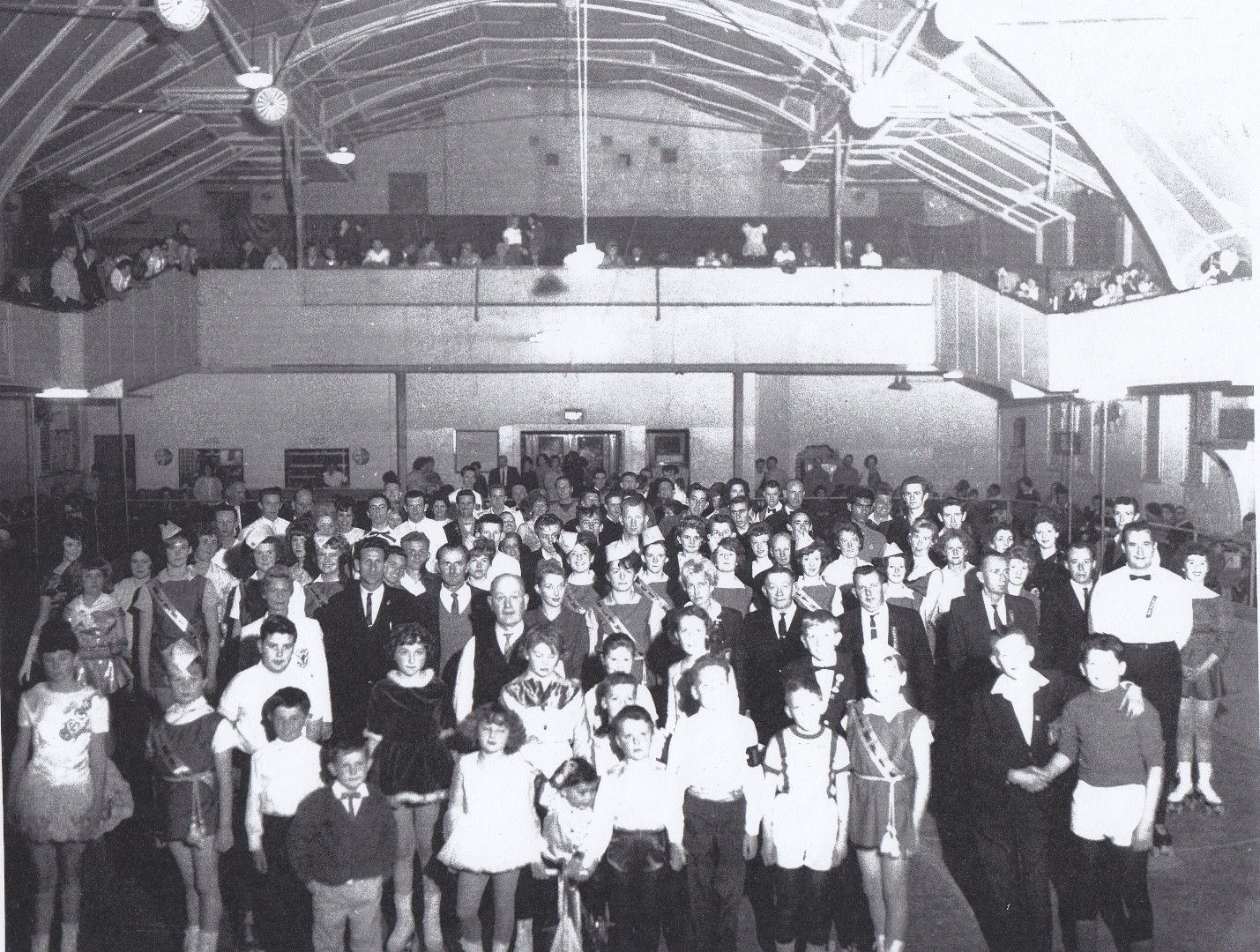
Photos from the time show a vibrant scene of speed skating, dance and artistic competitions, and some eccentric skaters relishing fancy dress nights. The rink was also a music venue. Tony recalls the pre-superstar Bee Gees were one of the acts performing there. Col Joye was also a big drawcard for music fans.

But culture in the 1960s was moving fast. By the mid 1960s, roller skating was having trouble keeping up... until it gained an injection of speed from a new sensation, Roller Derby.
Perhaps best described as a cross between pursuit cycling and American football (but played on roller skates of course) Roller Derby had existed in various forms since the 1920s. When its popularity waned several decades later, promoters turned it into a form of sports entertainment, akin to the professional wrestling circus which continues to thrive today.
Australia was a market for this garish spectacle. Promoters brought American teams to Australia (under the auspices of a rival American variant called Roller Game), and the bubblegum violence of sports entertainment was threatening to disrupt the orderly business of running a skating rink.
At the same time, the commercial appeal was hard to resist. If only it could find a foothold in Australia, rather than having American promoters vacuum up all the profits. As an old school skater, Tony Stevens swallowed his pride and embraced the opportunities presented by this television fueled novelty.
A banked track was constructed in the Olympia rink, and local skaters were auditioned and selected to join the American visitors.
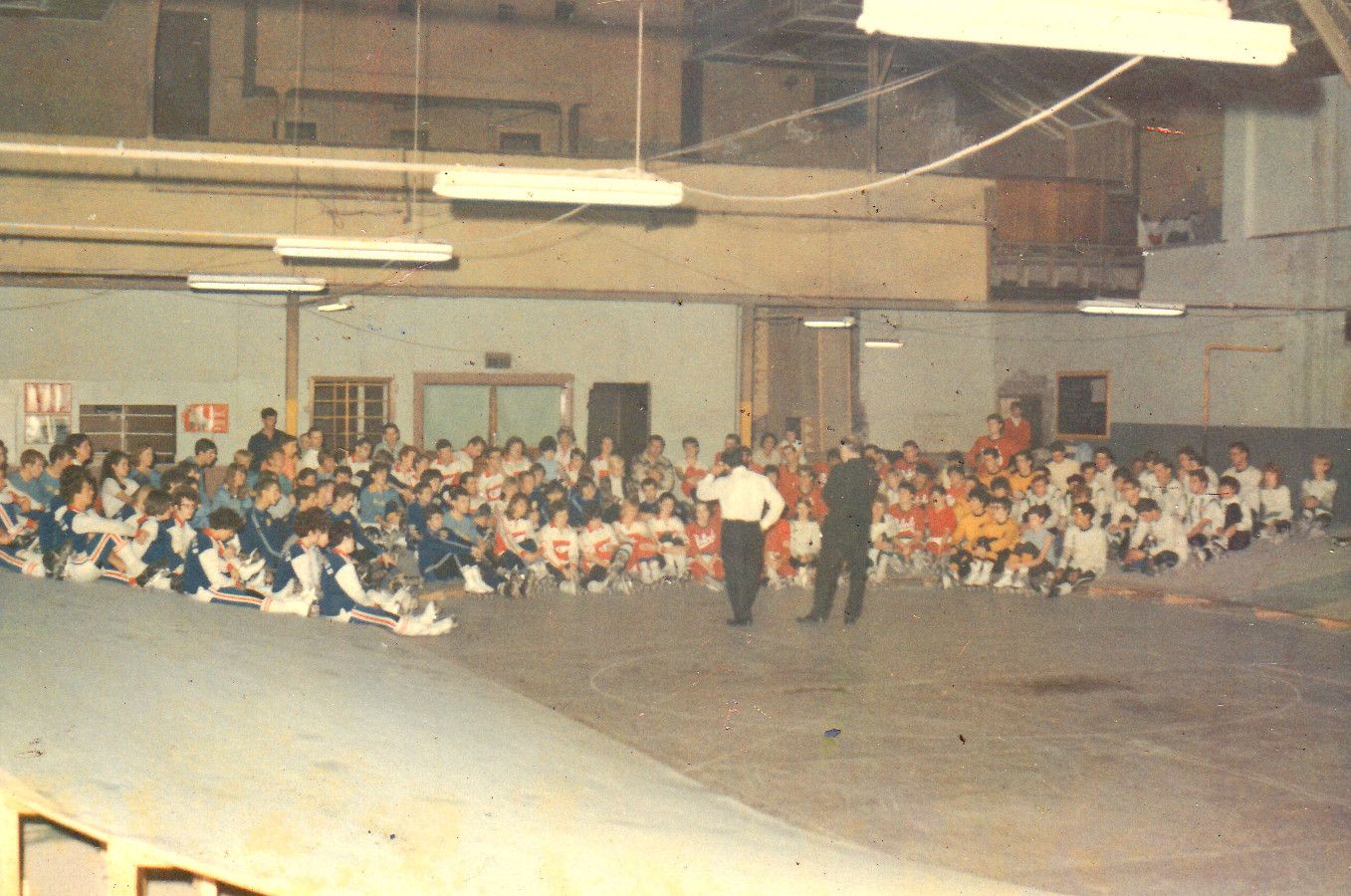
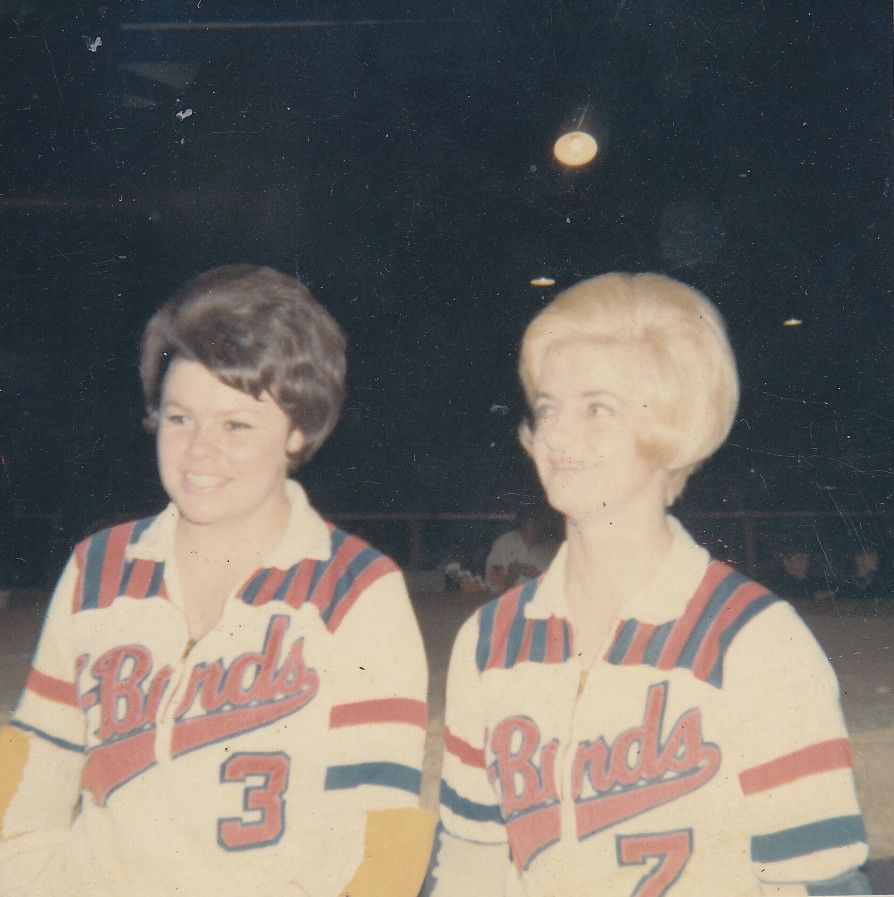
Sydney Stadium was the venue for televised games, along with Melbourne and Brisbane Festival Halls. At its peak the game attracted 20,000 spectators a week, and half a million television viewers. Several Australian recruits left with their American team mates and continued to star in the game overseas. Many more joined a local amateur league, with banked tracks also popping up at other rinks around the country.
The female-dominated revival of Roller Derby in the 2000s is a very different prospect to the corporate circus of that took root in the sixties. Sport is not really my cup of poison, but I can't help feeling a kind of deep respect and approval of this eccentric expression of human culture, in both its historic and modern forms. But the 60s flare-up of the sport in Australia was brief. As far as I can determine, it died down after a few years. Once again, roller skating was surfing the same cultural waves as yo-yos, hula hoops and Bey Blades.

The Olympia's fortunes were also caught in a rip. Tony had ambitions to grow roller skating into a nationwide enterprise and funnel the profits to a scheme to house people with disabilities. With the Olympia in financial strife, he launched a campaign promoting the twin causes of roller skating and the disabled. It failed, and the Olympia closed in 1971.
A few years later, the building was demolished and replaced with a new twin cinema, which would itself be replaced by shops and apartments in the early two thousands.
But the milk bar prevailed.
Continues in part 3 Part 1 is here: https://write.underworld.fr/the-olympia-files/the-milk-bar-of-forgotten-dreams
The Olympia files, by Jon Flynn: @AvonVilla@aus.social Please keep this post in the fediverse or similar free platforms. Don't allow it to be used for engagement algorithms, advertising, money-making, and surveillance capitalism.