view
Человечка нарисовал я [Chelovechka narisoval ya / It Was I Who Drew the Little Man] (Valentin Lalayants, Zinaida Brumberg + Valentina Brumberg, 1960)
Sep
1
День знаний
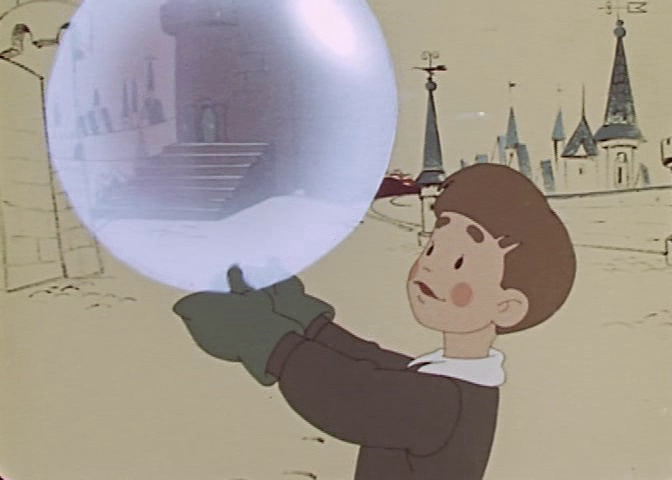
Mesmerised schoolboy Fedya holds up a huge bubble. DP: Elena Petrova.
On September 1, also known as Knowledge Day (День знаний) in Russia, an enthusiastic schoolboy draws a little man on the classroom wall, and causes a whole lot of trouble.
view
Зеркало для героя [Zerkalo dlya geroya / Mirror for a Hero] (Vladimir Khotinenko, 1987)
May
8
1949
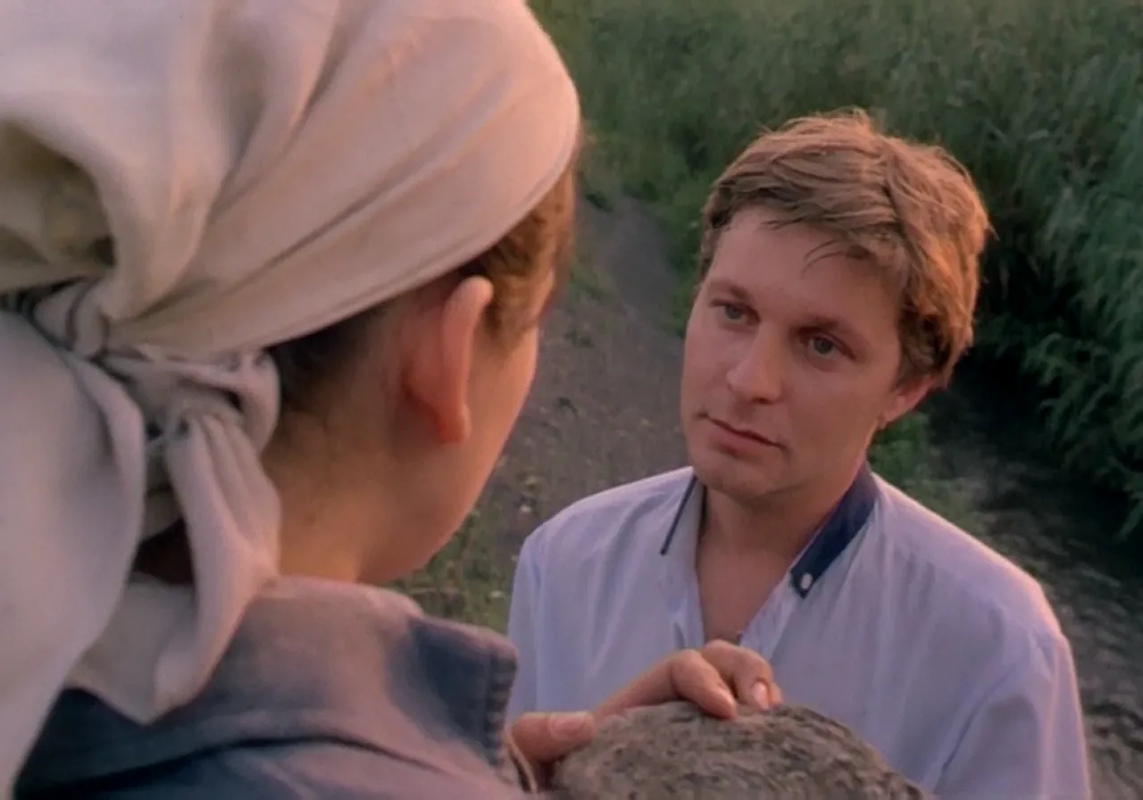
Sergey Pshenichnyy (Sergey Koltakov) speaking to one of the 1940s farmers. DP: Evgeniy Grebnev.
view
Распад [Raspad / Collapse / Decay] (Mikhail Belikov, 1990)
Apr
25
1986
A young boy looks over his shoulder into the camera. He's seated at an extended table, set with food for many. A man in the back is on the phone; a woman walks around cradling a newborn child. In the corner of the room a baby cot. DP: Vasiliy Trushkovskiy.
view
Иваново детство [Ivanovo detstvo / Ivan's Childhood] (Andrei Tarkovsky, 1962)
Dec
7
National Pearl Harbor Remembrance Day
Ivan (Nikolay Burlyaev) scouting (via). DP: Vadim Yusov.
“They sent me out by plane to a boarding school. But I ran away. There's a war on. I can't cram some stupid stuff when it's a war.”
– Ivan
view
Surma hinda küsi surnutelt [Ask the Dead About the Price of Death] (Kaljo Kiisk, 1977)
Dec
1
1924
A woman wearing a crochet skull cap and an ominous look on her face. DP: Jüri Sillart.
view
ტარიელ მკლავაძის მკვლელობის საქმე [Tariel Mklavadzis mkvlelobis saqme / The Hero of Our Time] (Ivane Perestiani, 1925)
Sep
21
wine
A dark eyed woman lurks from behind a white horse, while holding a glass of wine. DP: Aleksandr Digmelov.
view
Hullumeelsus [Безумие / Madness] (Kaljo Kiisk, 1968)
Sep
15
International Day of Democracy
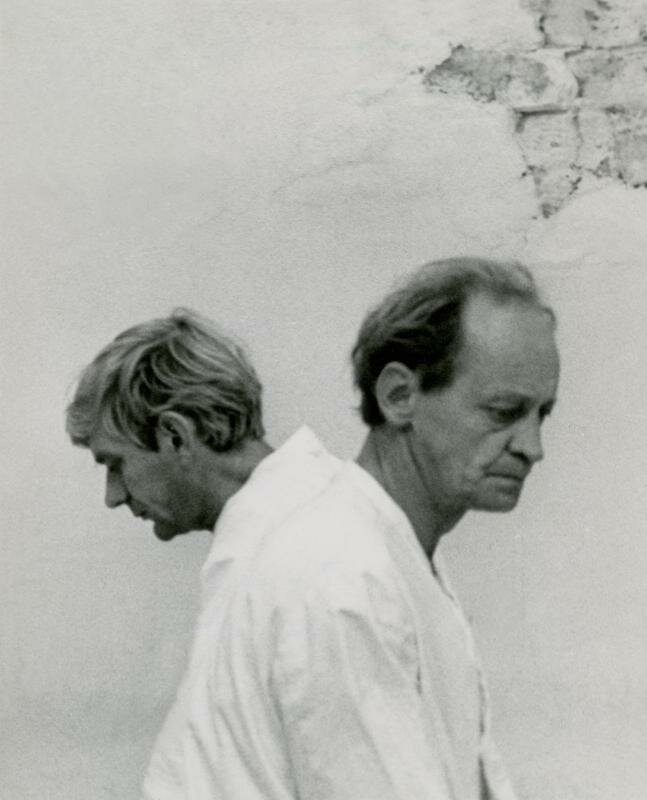
Windisch (Jüri Järvet) pacing, blending in with a white-clad inmate. DP: Anatoliy Zabolotskiy.
“Stop shooting! Stop democracy!”
– Person Nr. 1
The Gestapo arrives to liquidate the inmates of a mental hospital. Then Windisch, plainclothes Nazi, brings them a letter: there's a special commando hiding amidst the 583 patients. Interrogating them slowly pushes Windisch among them.
view
Soy Cuba [I Am Cuba] (Mikhail Kalatozov, 1964)
Jul
10
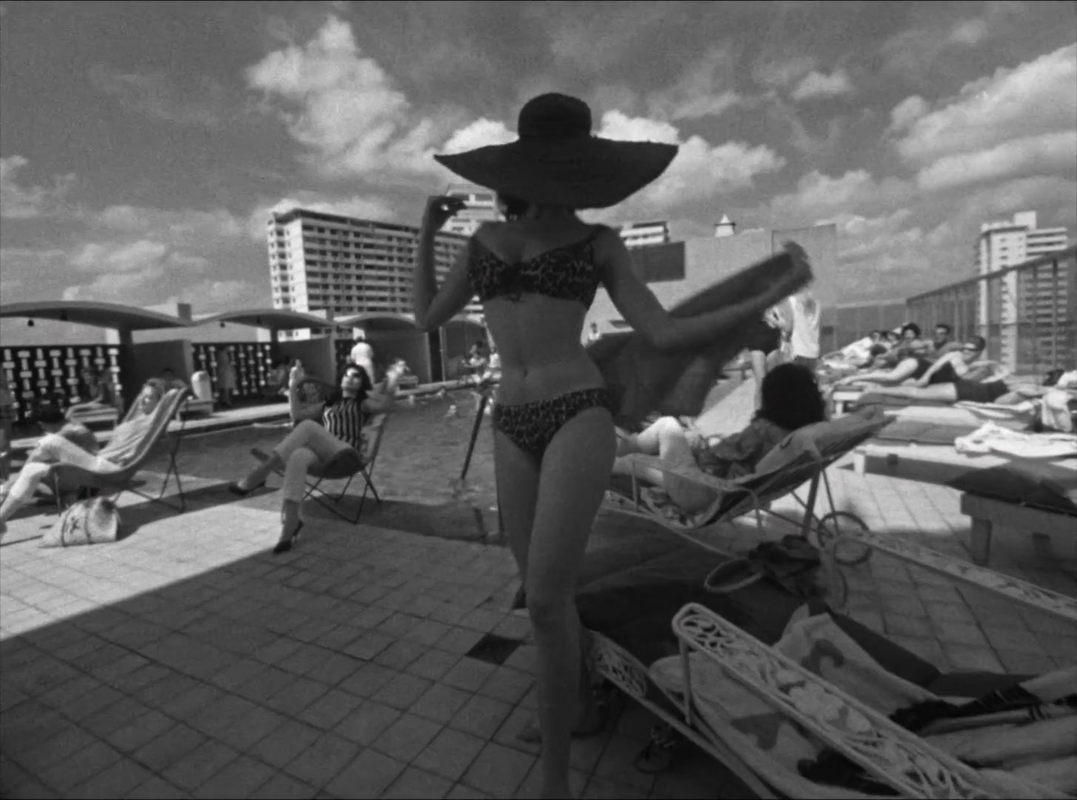
The rich and beautiful spend a lazy day at a grand rooftop pool. DP: Sergey Urusevskiy.
Someone in poolside vacation clothing*
“I am Cuba. Why are you running away? You came here to have fun? Go ahead, have fun! Is this a happy picture? Don't avert your eyes. Look! I am Cuba. For you, I am the casino, the bar, the hotels. But the hands of these children and old people, are also me.”
– the voice of Cuba
view
Пасифик 231 [Pasifik 231 / Pacific 231] (Mikhail Tsekhanovskiy, 1931)
Jul
2
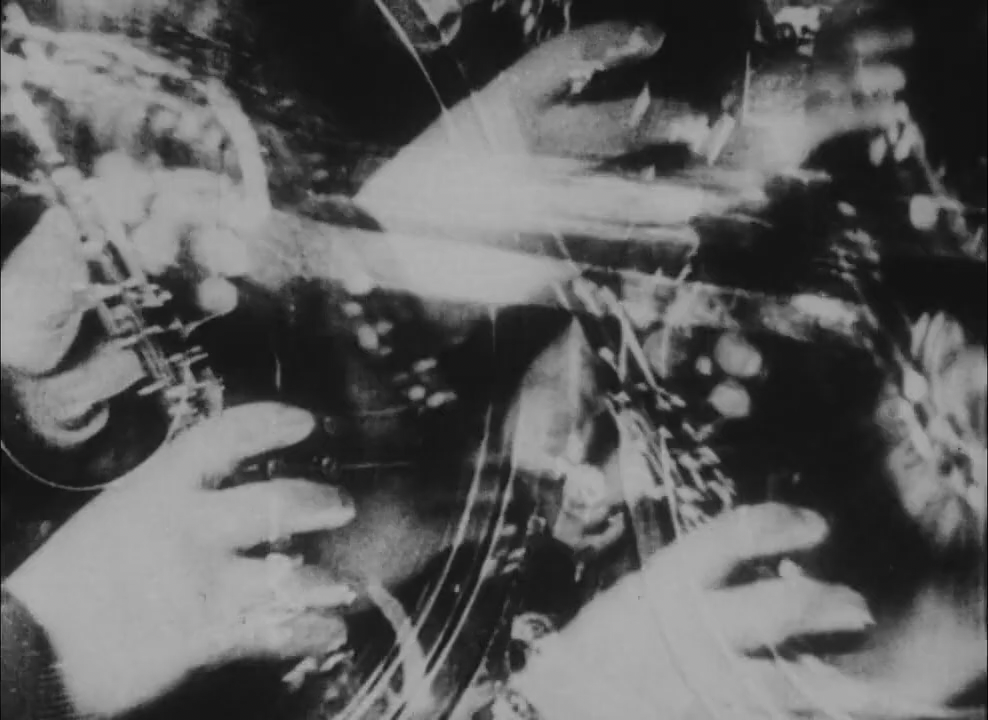
Musicians superimposed over the locomotive's pistons. DP: Leonid Patlis.
“What I sought in 'Pacific' was not the imitation of the sounds of the locomotive, but the translation of a visual impression and a physical enjoyment through a musical construction. It starts from objective contemplation: the quiet breathing of the engine at rest, the effort of starting, then the progressive increase in speed, to arrive at the lyrical state, the pathos of the 300-ton train, launched in the middle of the night at 120 km/h.”
– Arthur Honegger, Dissonances. Revue musicale indépendante (1925) (via)
Hinted on in Abel Gance's La Roue (1923), composer Arthur Honegger's Пасифик 231 follows the narrative of a stream train ploughing through the night. The conductor's gestures mirror the fireman's and slowly, the machine comes to live. The music becomes abstract, machine-like, in its rendition of pistons and valves. Using double exposure and Soviet montage theory, music and movement become one. The Futurists, if not opposed to the Soviets that is, would have had a field day with this outing.
view
Ёжик в тумане [Yózhik v tumáne / Hedgehog in the Fog] (Yuri Norstein, 1975)
Jun
9
Donald Duck – 1934
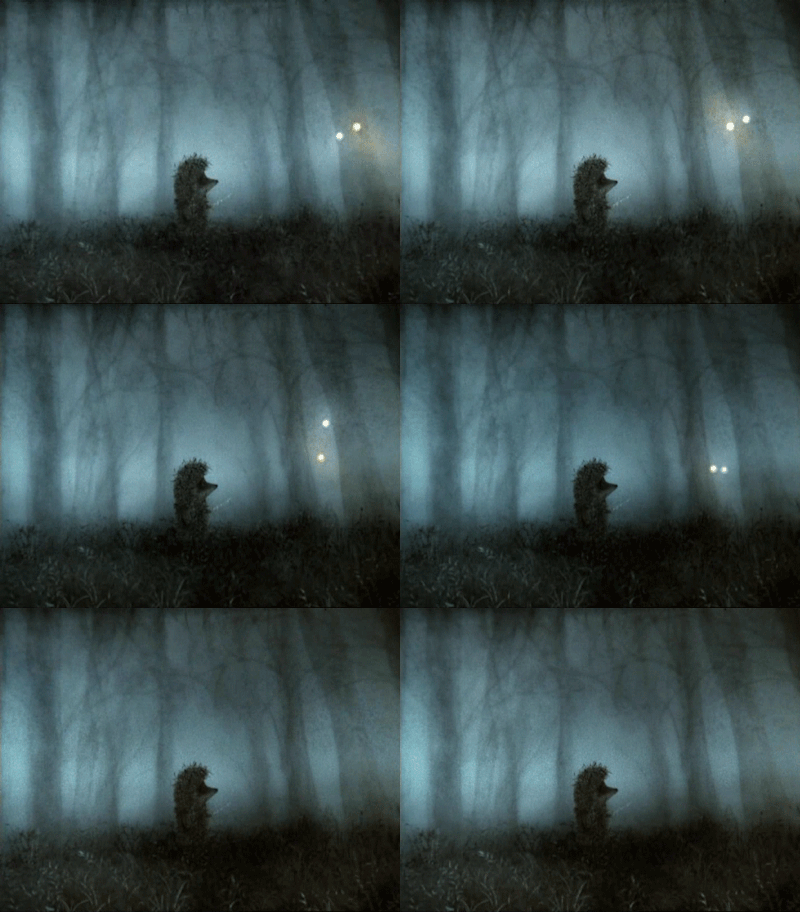
Fireflies in the fog. DP: Aleksandr Zhukovskiy.
“In the evenings, the little Hedgehog went to the Bear Cub to count stars. They would sit on the log and sip tea, gazing at the starry sky. It hung on the roof, just behind the chimney. To the right of the chimney were the Bear Cub's stars and the stars to the left were the Hedgehog's”
– opening lines
On his way to visit his friend Bear Cub, Hedgehog finds himself in a dense mistbank. Strange sounds, and even stranger creatures, omit from it. And all he wanted was have strawberry jam and tea with his friend.

.jpg)
.png)
.png)