“It is vital to be photogenic from head to foot. After that you are allowed to display some measure of talent.”
Les Vampires [The Vampires or, The Arch Criminals of Paris] (Louis Feuillade, 1915/1916)
Aug
24
black
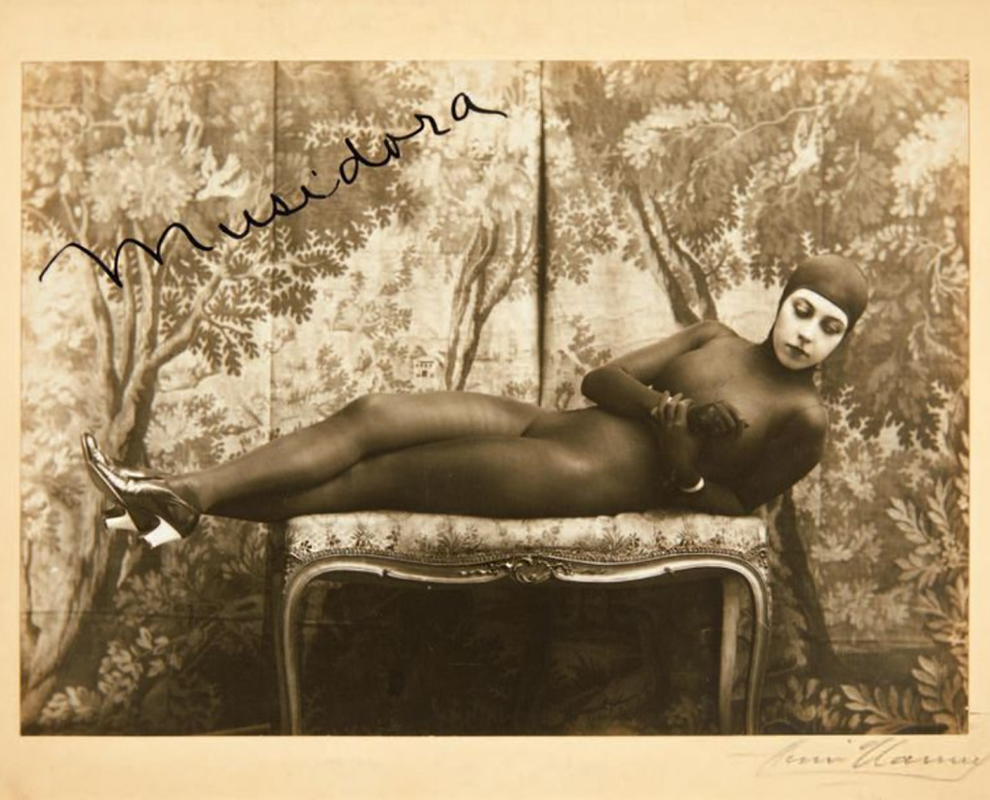
A signed promotional photograph of Irma Vep (Musidora) in her iconic black catsuit. DPs: Georges Guérin & Manichoux.
Black, in food or fashion*
– Musidora
Possibly the first, and definitely the most, iconic catsuit in cinema is worn by Musidora as Irma Vep in Les Vampires. Skintight and scandalous, Musidora's screen presence in the serial further cemented the popularity of the vamp and set the scene for many man-eaters to come.
* the Bales 2025 Film Challenge for August is not date-related but lists, for the most part, the colours of the rainbow.
SilentFilm
“When we began to compare the typically American, typically European, and typically Russian films, we noticed that they were distinctly different from one another in their construction. We noticed that in a particular sequence of a Russian film there were, say, ten to fifteen splices, ten to fifteen different set-ups. In the European film there might be twenty to thirty such set-ups (one must not forget that this description pertains to the year 1916), while in the American film there would be from eighty, sometimes upward to a hundred, separate shots. The American films took first place in eliciting reactions from the audience; European films took second; and the Russian films, third. We became particularly intrigued by this, but in the beginning we did not understand it.” Эффект Кулешова [Kuleshov Effect] (Lev Kuleshov, 1918)
Aug
5
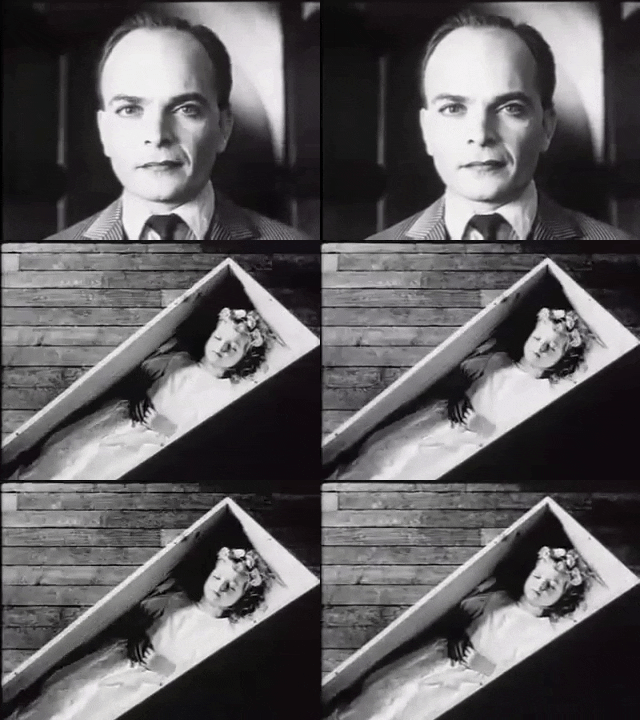
A closeup of a man, followed by a medium shot of a child in a coffin, then back to the man. Can you see how his expression changes? (via). DP: to be determined.
Celebrating Dia de Los Muertos [on November 1 and 2, of course]: a cemetery, coffin, or dead person*
– Lev Kuleshov, The Principles of Montage, from The Practice of Film Direction (pp. 183-195) (source)
Director Lev Kuleshov explains what happens when a scene is followed by a reaction shot. Depending on the preceding image, the viewer projects an emotion onto the performer's facial expression. In his most famous montage, made up of existing footage – because property is theft, we see matinee idol Ivan Mosjoukine “react” to a bowl of soup, a little girl in a coffin, and a woman sprawled out on a divan.
* the Bales 2025 Film Challenge for August is not date-related but lists, for the most part, the colours of the rainbow.
“Du, Wolf, nächsten Sonntag — ?” Menschen am Sonntag [People on Sunday, a Film Without Actors] (Robert Siodmak, Edgar G. Ulmer, Rochus Gliese, Curt Siodmak + Fred Zinnemann, 1929)
Jul
31
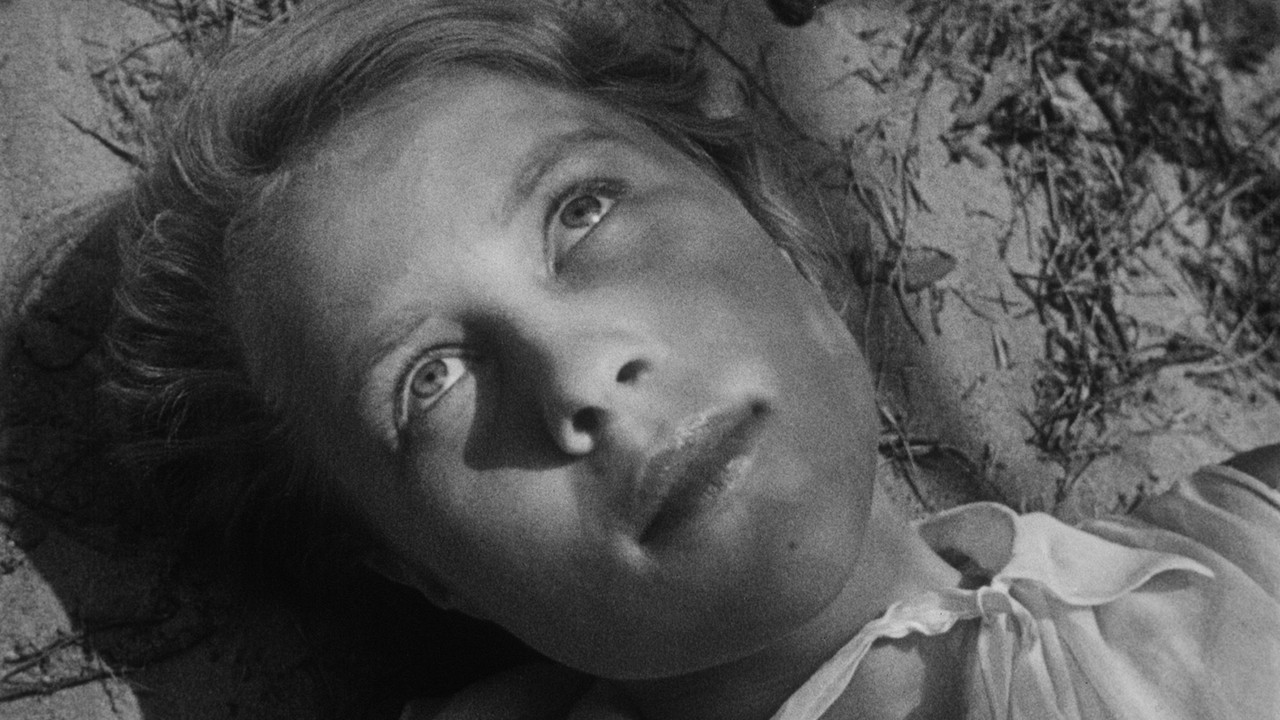
Brigitte Borchert savours her Sunday. The workweek is still lightyears away (via). DP: Eugen Schüfftan.
Someone goes to work*
– title card
Berliners rest on Sunday, we still do. People lounge in the many parks, and on the shores of the city's many lakes. And then, it's Monday.
Released in 1929, according to Atlas Film, who restored this important Weimar classic long before Criterion put their grubby hands on it.
* the Bales 2025 Film Challenge for July is, for unknown reasons, mostly not date-related and follows some sort of vacation narrative.
“But this art of total synthesis that is Cinema, this fabulous newborn of Machine and Sentiment, is beginning to cease its moans and is entering its infancy. Its adolescence will soon arrive, seize its intelligence, and multiply its dreams; we ask that we hasten its development, precipitate the advent of its youth. We need Cinema to create the total art toward which the other arts have always tended.“Combat de boxe (Charles Dekeukeleire, 1927)
Jun
30
Mike Tyson – 1966
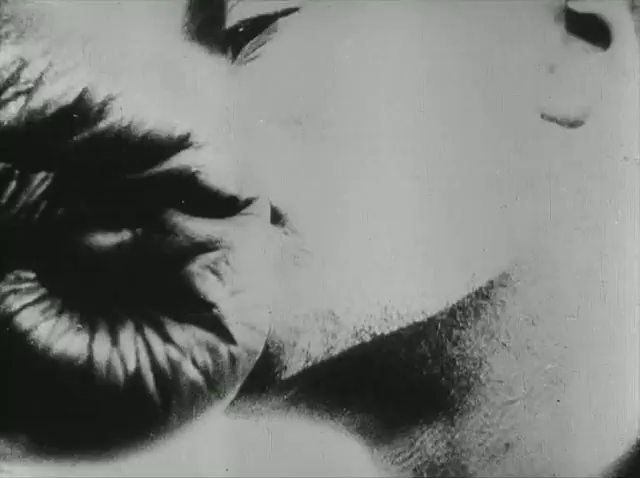
One of the fighters receives a direct hit. The camera is so close that we see abstract shapes, texture and contrast before recognising the scene. DP: Antoine Castille.
A [favourite] athlete in a film role for Mike Tyson's birthday
– Ricciotto Canudo, Gazette des sept arts, 1923 (via)
The match you see is real, between two actual fighters. Paul Werrie's rhythmic poem served as the basis. Everything else is illusion made flesh with what was available. An empty painter's studio, a few friends, footage of a crowd, a deep comprehension of the Kuleshov effect and rapid Soviet-style editing. Dekeukeleire places us from the safe world of the spectator right in the line of fire. But there's no release like in James Williamson's The Big Swallow (1901). Without that gimmick, cinema enters Canudo's realm, as the seventh art.
कालिया मर्दन [Kaliya Mardan / The Childhood of Krishna] (Dhundiraj Govind Phalke, 1919)
Apr
1
April Fools' Day

Shri Krishna (Mandakini Phalke, the director's seven-year old daughter), playing his flute with a twinkle in his eye. DP: Dhundiraj Govind Phalke.
A fool or jokester for April Fools' Day
As a child, Shri Krishna, the eighth avatar of Lord Vishnu, was a prankster. The Lord and his childhood friends would steal makhan and, if there was too much to eat all at once, would share it with the monkeys.
Kaliya Mardan is one of the handful films from India's early cinematic output that has survived. Do check your attic
“Bonsoir. Je m'appelle Rosalie!” Rosalie et son phonographe [Rosalie and Her Phonograph] (Romeo Bosetti, 1911)
Mar
28
Something-on-a-Stick Day

Rosalie (Sarah Duhamel) dances to her new phonograph. Duhamel makes eye contact with the viewer throughout the film, and even formally introduces herself during the intro.
A laugh out loud scene for Something on a Stick Day (USA)
Rosalie (the wonderful Sarah Duhamel) buys herself a phonograph and is delighted by the wonders it brings. Quick, the whole household should know!
Not only the obvious moments (no spoilers here), but the small, seemingly improvised bits is what makes Rosalie stand out above American productions of the time – with the exception of Roscoe Arbuckle's; his water bucket pun in His Wife's Mistakes (1916) still has me in stitches.
Duhamel makes great use of her physique, and doesn't shy away from looking inelegant, boorish even. Her hips are for pushing things and men out of her way, and her mighty paws easily toss any unwieldy piece of furniture out of the window.
Like Rosalie's irresistible gusto and her delightful ditties, the combination of Duhamel's physical comedy and (former #vaudeville-ian) Bosetti's Italian-flavoured slapstick, plus some of the best stop-motion trickery I've ever seen, is simply magical.
უჟმური [Ujmuri / Мрачная равнина / Cheerless] (Nutsa Gogoberidze, 1934)
Mar
3
Florida – 1845
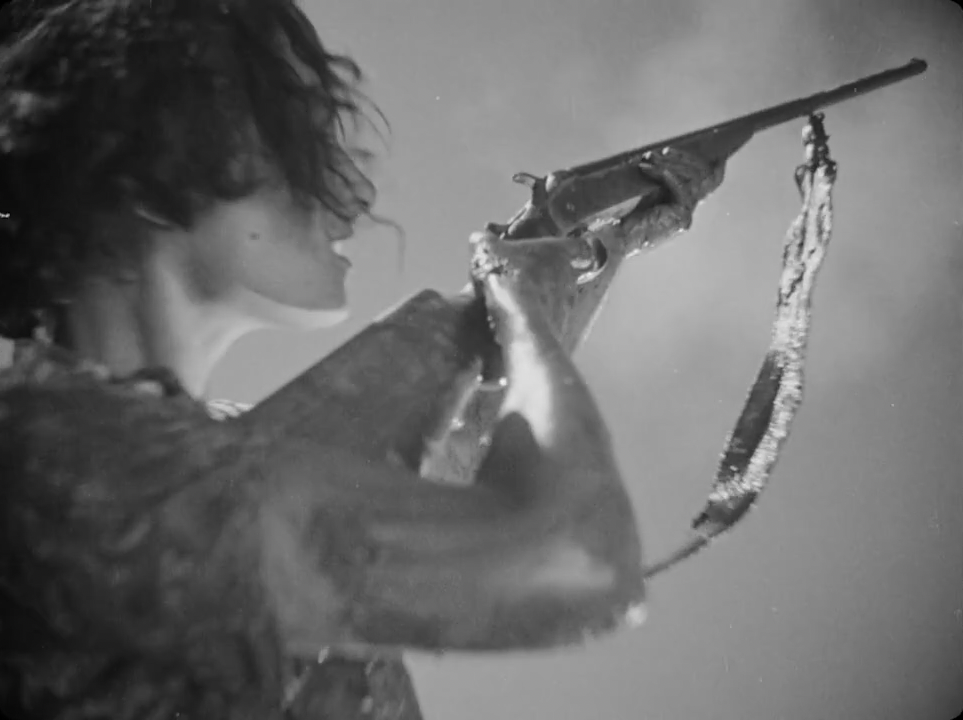
A young woman, dress and arms covered in swamp water, raises a muddy shotgun. DP: Shalva Apaqidze.
A swamp (or The Everglades) on that day in 1845 Florida became the 27th state.
The swamp dwellers' trust in shaman Uzhmuri, the Queen of Frogs, prohibits the authorities from draining the wetlands in their fight against malaria.
“Feast your eyes. Glut your soul on my accursed ugliness.”The Phantom of the Opera (Rupert Julian, Lon Chaney, Ernst Laemmle + Edward Sedgwick, 1925)
Jan
28
Gaslights

An enormous gaslit chandelier dangles over the Paris Opéra audience's heads. DPs: Milton Bridenbecker, Virgil Miller & Charles Van Enger.
Gaslights for the first recorded public street lighting powered by gas, demonstrated in Pall Mall, London, on 28 January, 1807. The introduction of gaslight had a major influence on theatre and opera, including the new Paris Opera (1875), which was lit by no less than 960 gas jets. Thanks to the brilliant light, stage actors could tone down their mannerisms and stage makeup.
– The Phantom
However, in the dark dungeons under the Opéra lives a pitiful creature, doomed to dwell in darkness. His makeup, provided by The Man of a Thousand Faces, Lon Chaney, was both grotesque and eerily real .
“… as we enjoy great advantages from the inventions of others, we should be glad of an opportunity to serve others by any invention of ours; and this we should do freely and generously.”Egged On (Charles R. Bowers, Harold L. Muller + Ted Sears, 1926)
Jan
17
inventions
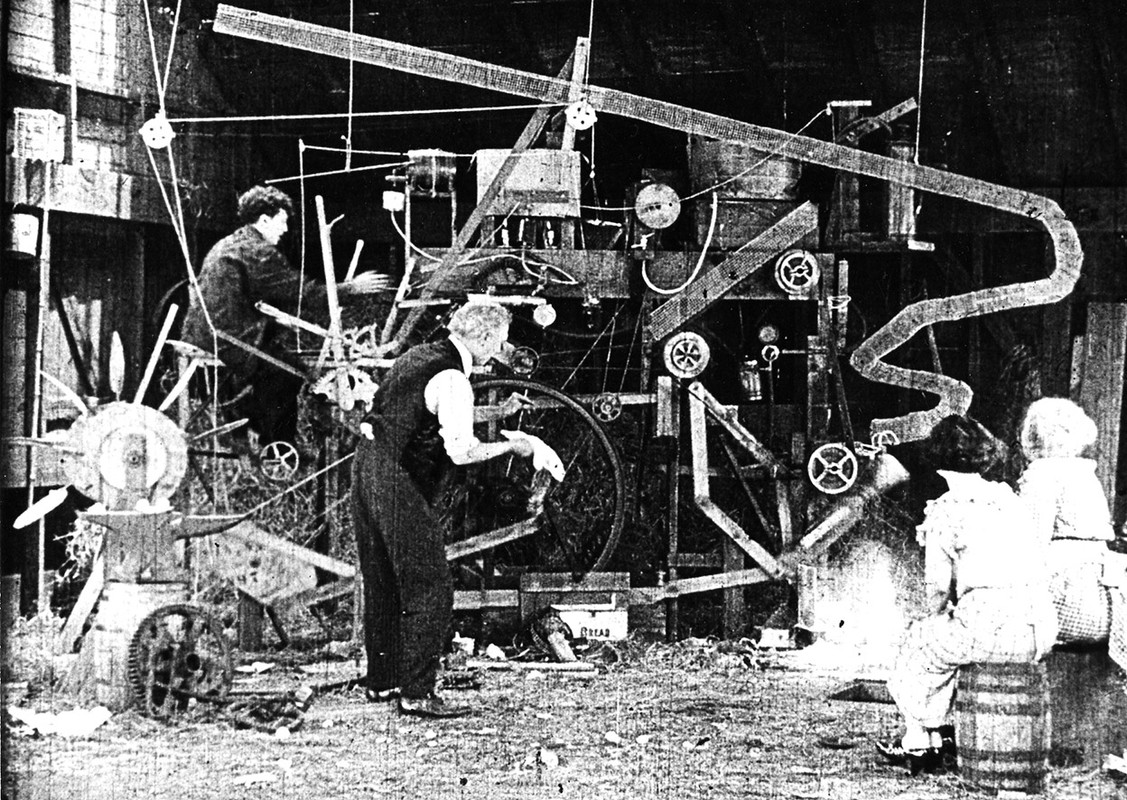
Charley working his Rube Goldberger-esque egg-rubberizing contraption.
An invention for Benjamin Franklin's birthday. Inventor Charley (Charles R. Bowers) comes up with an ingenious method to make eggs break-proof for transport by rubberizing them.
– Benjamin Franklin in his autobiography
Bowers was an almost-forgotten silent era comedian, filmmaker, and animator. In more recent years, his groundbreaking stop-motion comedy has found a new, well-deserved, interest.
– Now, see! You kill-a de monk!
– Pay him for that baboon… or I'll run you in!The Cameraman (Edward Sedgwick + Buster Keaton, 1928)
Jan
14
National Dress Up Your Pet Day
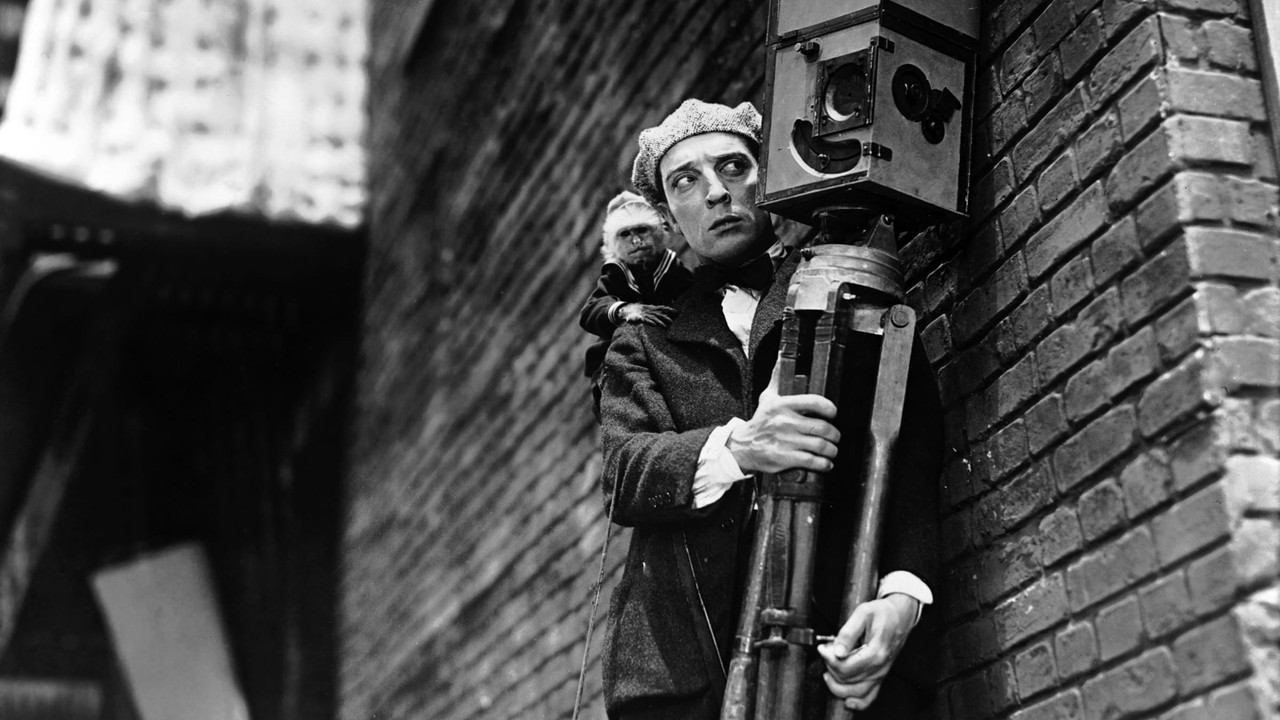
Buster (Buster Keaton) with Josephine the monkey on his shoulder. DPs: Reggie Lanning & Elgin Lessley.
A funnily dressed pet for National Dress Up Your Pet Day (USA) (please don't!).
After cameraman Buster accidentally knocks over a monkey, he has no choice but to take the sailor-suited simian along on his movie shoots.