“Early one morning, just as the sun was rising,
I heard a maid sing in the valley below;
‘O don’t deceive me, O never leave me!
How could you use a poor maiden so?” Requiem for a Village (David Gladwell, 1975)
Nov
14
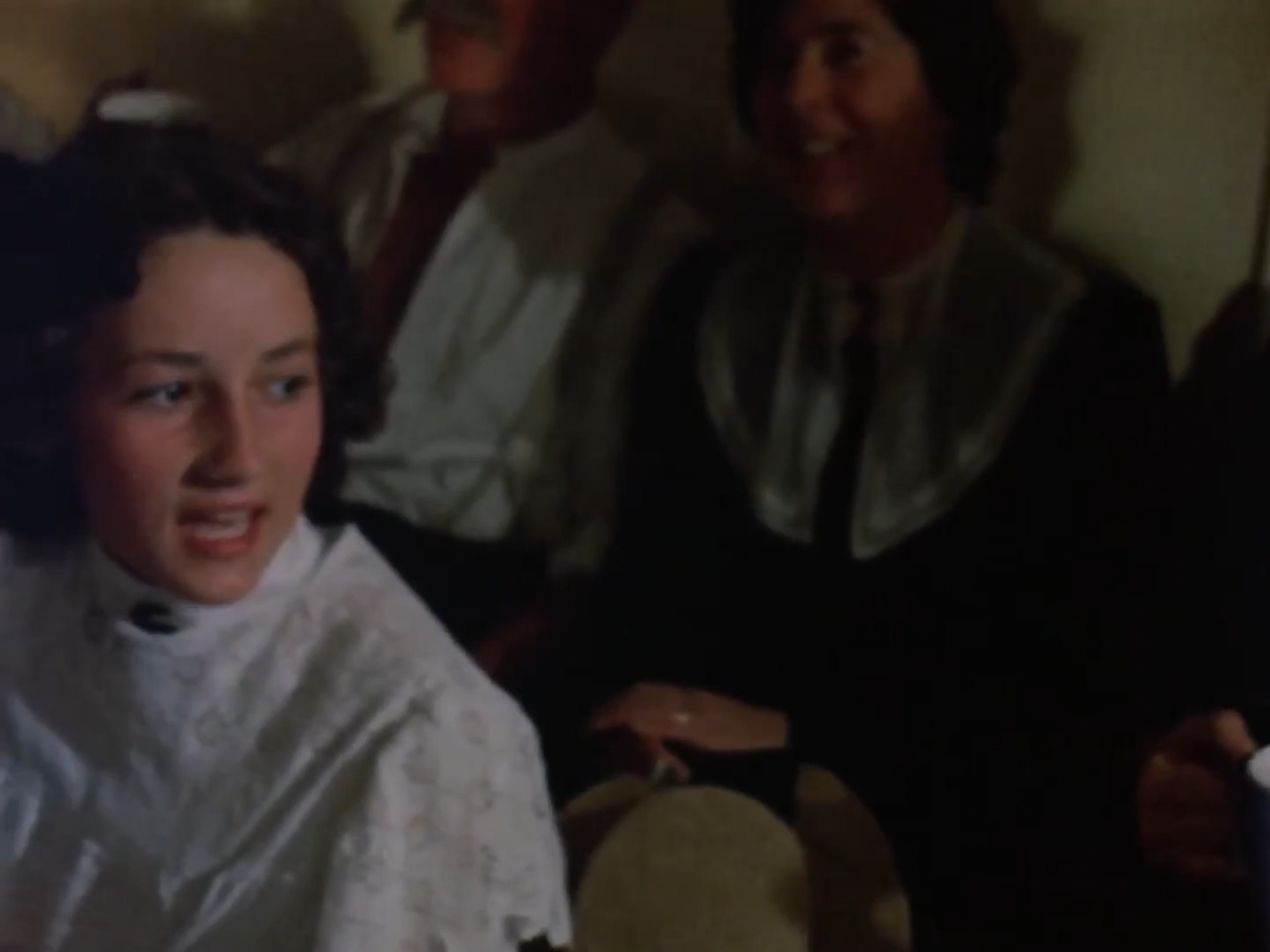
The wedding party revellers sing. DP: Bruce Parsons.
A movie about community*
– Early one morning, via
A sort of Wicker Man visits Mon oncle, this painting of an old England is. Painter filmmaker David Gladwell's impressionist work takes us to a small Suffolk community that, like all other communities, is both frozen in time and unable to escape its progression. The churchyard's caretaker, amongst the living and the dead, watches, works, and knows.
* the Bales 2025 Film Challenge for November is, again, not date-based, but follows a sloppy schmaltzy all-American Thanksgiving-y narrative. Trying to make it work my way.
UK
“No, I never left the wheel; not for a moment.”The Mystery of the Mary Celeste [Phantom Ship] (Denison Clift, 1935)
Nov
11

Anton Lorenzen (Bela Lugosi). DPs: Eric Cross & Geoffrey Faithfull.
– Anton Lorenzen
“No, I never left the wheel; not for a moment.” The Mystery of the Mary Celeste [Phantom Ship] (Denison Clift, 1935)
Oct
23
Bela Lugosi
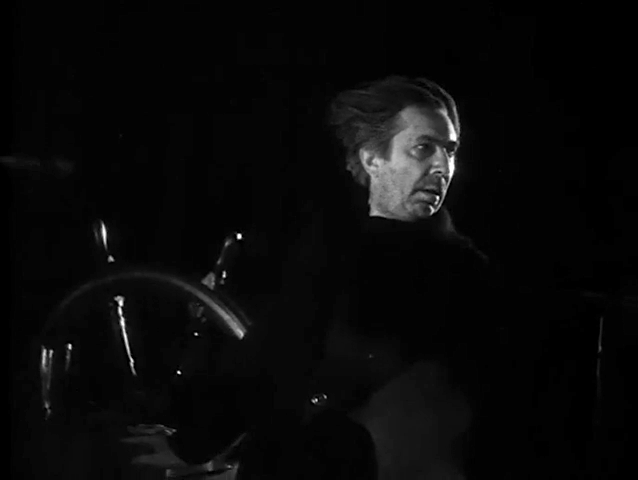
Anton Lorenzen (Lugosi) at Mary Celeste's wheel. DPs: Eric Cross & Geoffrey Faithfull.
[A favourite] Bela Lugosi film*
– Anton Lorenzen
A post-Dracula Lugosi demonstrates that he's more than the cursed aristocrat. An efficient early Hammer production, made just a year after their founding.
* the Bales 2025 Film Challenge for October is horror-themed as opposed to date-based, and is all about favourites. Expect non-horror and films I believe to be relevant instead.
“There are no ghosts in daylight. You'll get used to our nights at Diodati. A little indulgence to heighten our existence on this miserable Earth. Nights of the mind, the imagination. Nothing more.”Gothic (Ken Russel, 1986)
Oct
1
Frankenstein
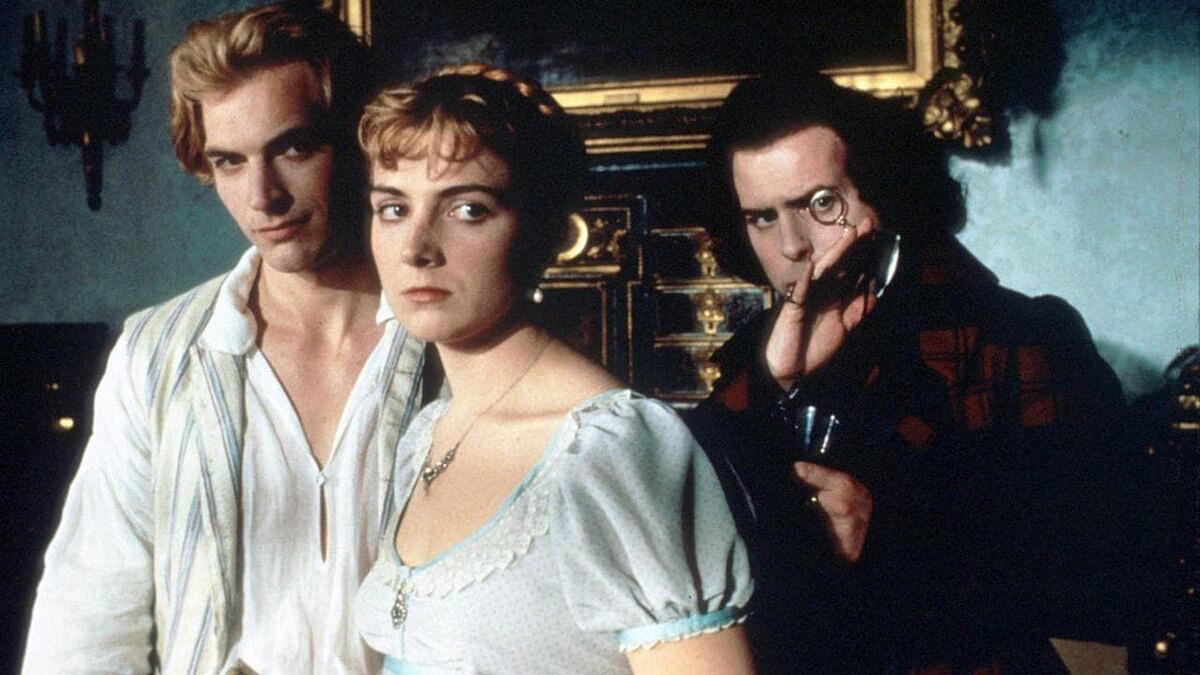
Percy Shelley (Gabriel Byrne), Mary Shelley (Natasha Richardson) and Dr Polidori (a deliriously delicious Timothy Spall). DP: Mike Southon.
A [favourite] Frankenstein film.
One wet, ungenial summer in 1816, lovers Mary Godwin and Percy Shelley, and Mary's stepsister Claire Clairmont, visited a dear friend at Villa Diodati. That friend was Lord Byron, exiled and residing in the Swiss villa with his physician Dr John Polidori
– Lord Byron
Forced indoors, over the cause of three days they turned to the occult, to laudanum, to stories from the Fantasmagoriana, and the horrors of their own. That summer, Frankenstein saw the light of day.
Requiem for a Village (David Gladwell, 1975)
Sep
29
bread
.png)
Farmers resting, eating bread, after the harvest. DP: Bruce Parsons.
“Let's face it; the future as a Rolling Stone is very uncertain.”Charlie Is My Darling [Rolling With The Stones] (Peter Whitehead, 1966)
Sep
28
Ben E. King – 1938
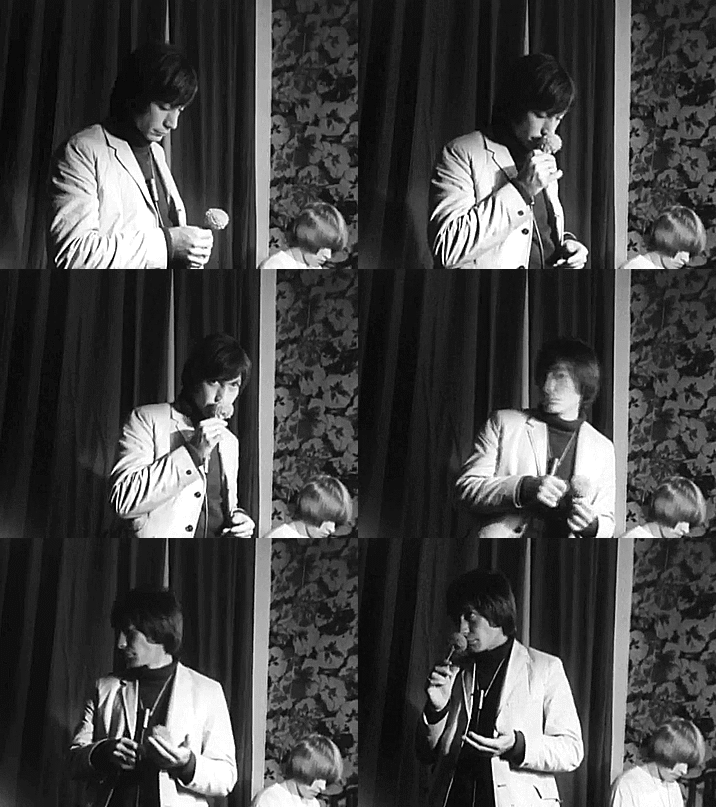
Charlie sheepishly smells a carnation (via), Brian can be seen in the background. DP: Peter Whitehead.
Soul or rhythm and blues for Ben E. King's birthday.
– Brian Jones
While then-manager Oldham's dream of an all-Stones A Clockwork Orange never manifested, there was an attempt to counter The Beatles' A Hard Day's Night (1964). That too, failed. Instead, Charlie became a cinéma vérité roadmovie of the Stones' touring Ireland in 1965. Whitehead's camera is there for Charlie.
Snow (Geoffrey Jones, 1963)
Sep
27
Stockton and Darlington Railway – 1825
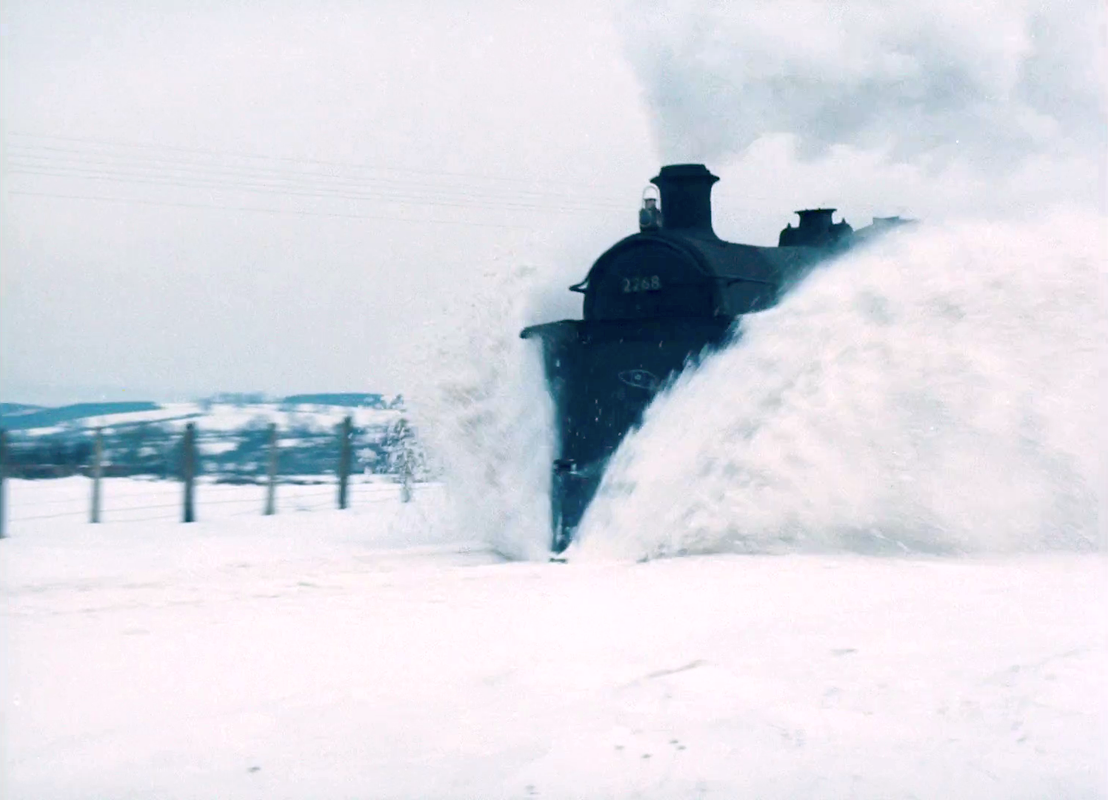
A steam locomotive ploughing through the snow using her cowcatcher. DP: Wolfgang Suschitzky.
A steam locomotive to celebrate the opening of the Stockton and Darlington Railway in 1825, the world's first public railway to use steam locomotives.
The Big Freeze of 1963 was one of the coldest winters recorded in British history. It was during this winter that filmmaker Geoffrey Jones was commissioned by British Transport Films to make a documentary about the British Railways Board. With the freeze setting in, Jones ran the footage in preparation of post-production, and was struck by the blackness of the locomotives against the white of the many feet of snow. This smaller experimental project became Snow. Accompanied by a stretched out version of the jazz tune Teen Beat, and BBC Radiophonic Workshop's own Daphne Oram, Snow is an improbable hypnotic trip in an impossible landscape.
“Those flowers, take them away;
they’re only funeral decorations.
This is The Fall and this is a drudge nation.
Your decadent sins will wreak discipline.
You puritan, you shook me.
I wash every day.”Hail the New Puritan (Charles Atlas, 1987)
Sep
22
Fall
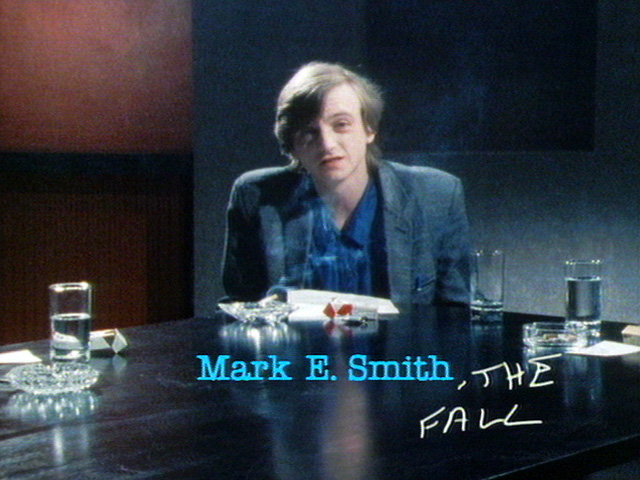
As it says on the tin, it's Mark E. Smith of The Fall (via). DP: John Simmons.
The Northern Hemisphere welcomes the autumn equinox
– The Fall, New Puritan (1979), via
A fictional day in the life of choreographer Michael Clark, company, and friends in preparation of the dance piece New Puritans.
“I caused dreams which caused death … this is my crime.”Dead Dreams of Monochrome Men (David Hinton, 1989)
Sep
14
Patrick Swayze – 2009
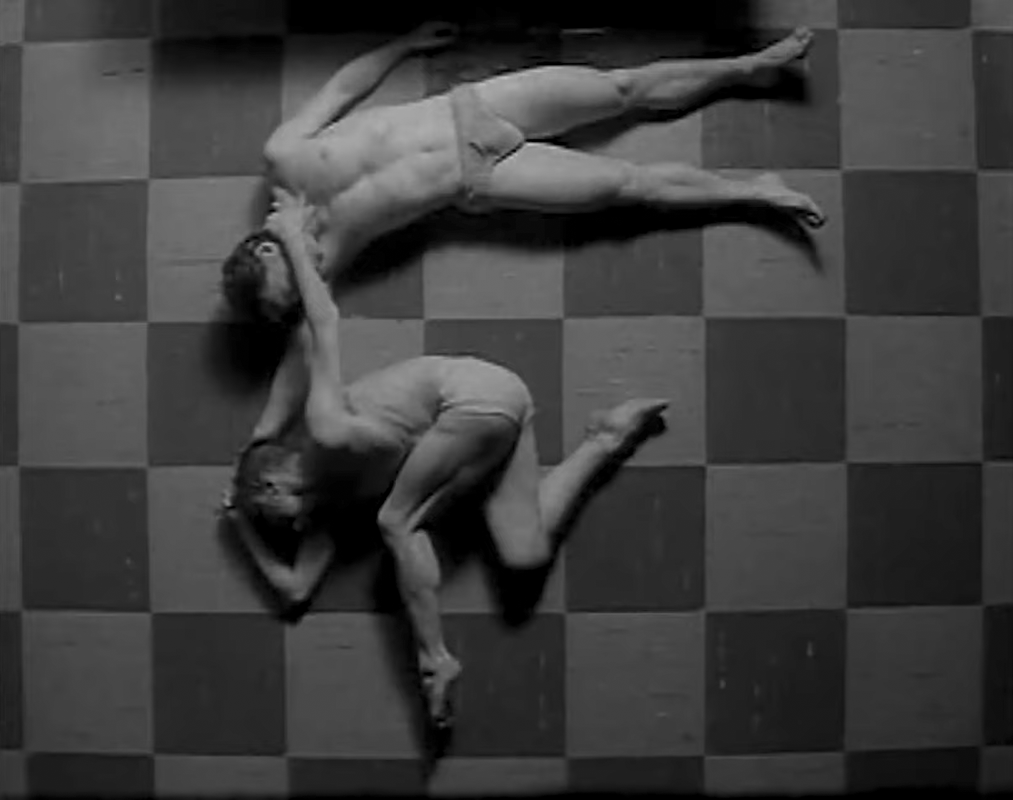
Two of the male dancers performing. They're lying on a black-and-white tiled floor. There's a heaviness to their bodies. DP: Nicholas D. Knowland.
Dancing, or Patrick Swayze who passed away on this date in 2009.
– Dennis Nilsen
Dennis Nilsen was a lonesome, closeted gay man in Thatcher's London, whose desperation lead to multiple horrific killings. He'd ritually bathe and dress the bodies, and held on to them for company. Radical dance troupe DV8's interpretation of Nilsen's transgressions explores the horror of the act in suffocating beauty.
“Sex is not to do. Sex is to watch.”The Year of the Sex Olympics (Michael Elliott, 1968)
Sep
7
ESPN – 1979
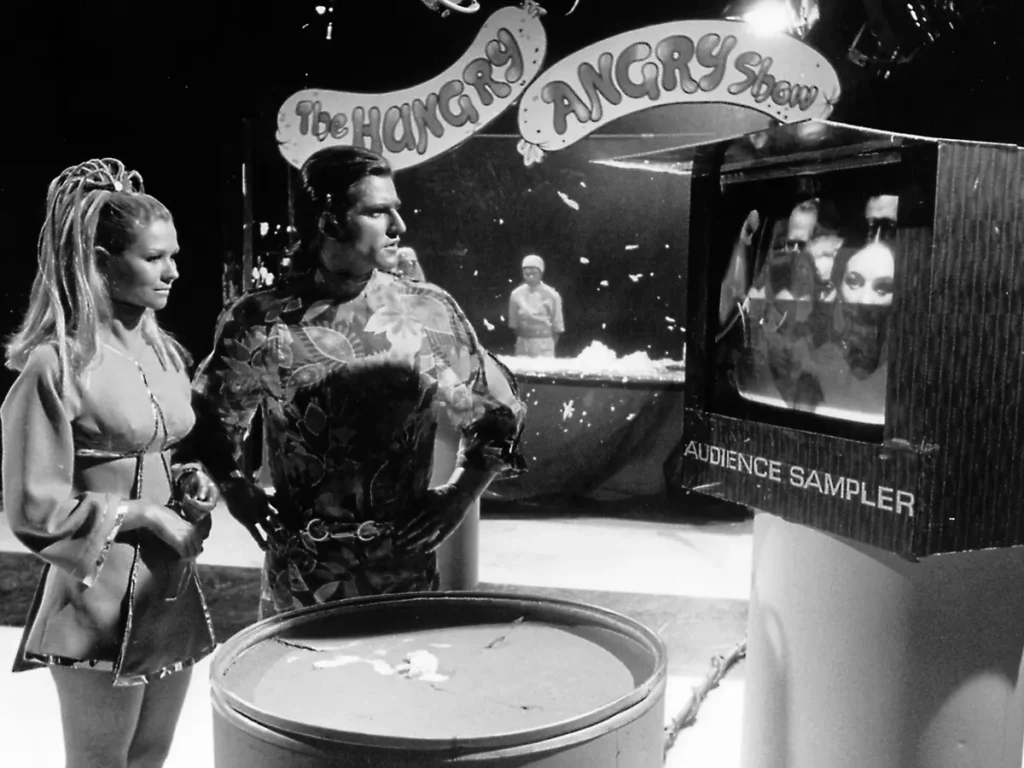
The people of a suspiciously 60s looking future critically watch the audience of a reality TV show called The Hungry Angry Show.
Sports watching on TV for ESPN's debut.
– Nat Mender
All that's on TV is pornography and violence. Welcome to the Year of the Sex Olympics.