view
The Mystery of the Mary Celeste [Phantom Ship] (Denison Clift, 1935)
Nov
11
Anton Lorenzen (Bela Lugosi). DPs: Eric Cross & Geoffrey Faithfull.
“No, I never left the wheel; not for a moment.”
– Anton Lorenzen
view
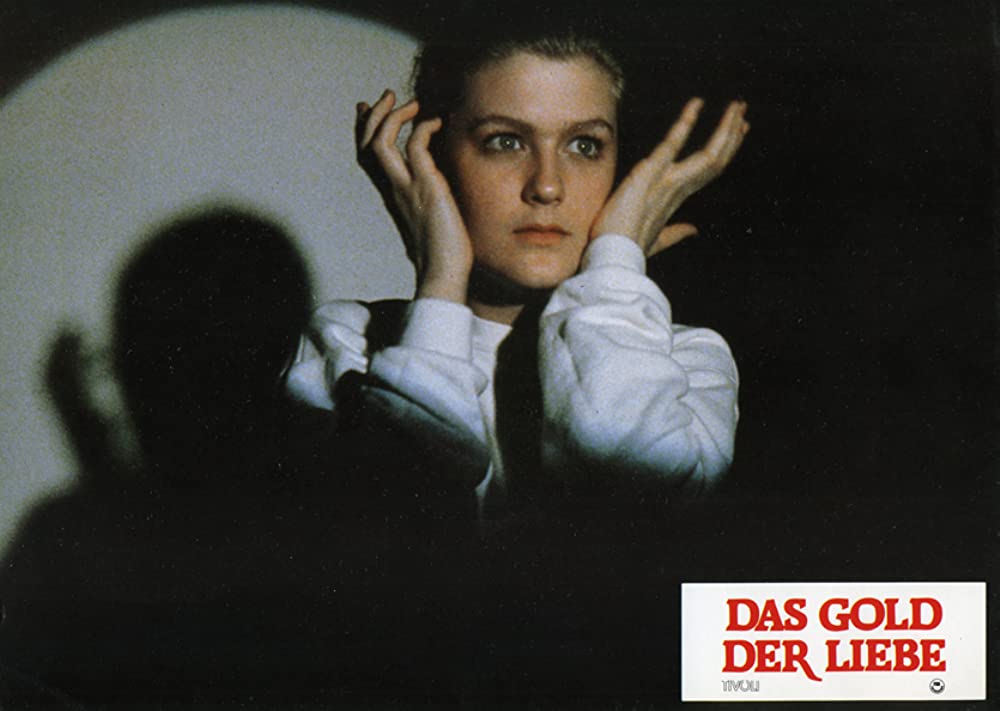
Das Gold der Liebe [The Gold of Love] (Eckhart Schmidt, 1983)
Nov
9
DAF-fan Patricia (Alexandra Curtis). DP: Bernd Heinl.
“Oh keiner macht's wie du,
Wie du so traut sich's keiner,
So wie du”
– DAF – El Que (Gold und Liebe (1981)
view
Outer Space (Peter Tscherkassky, 1999)
Oct
26
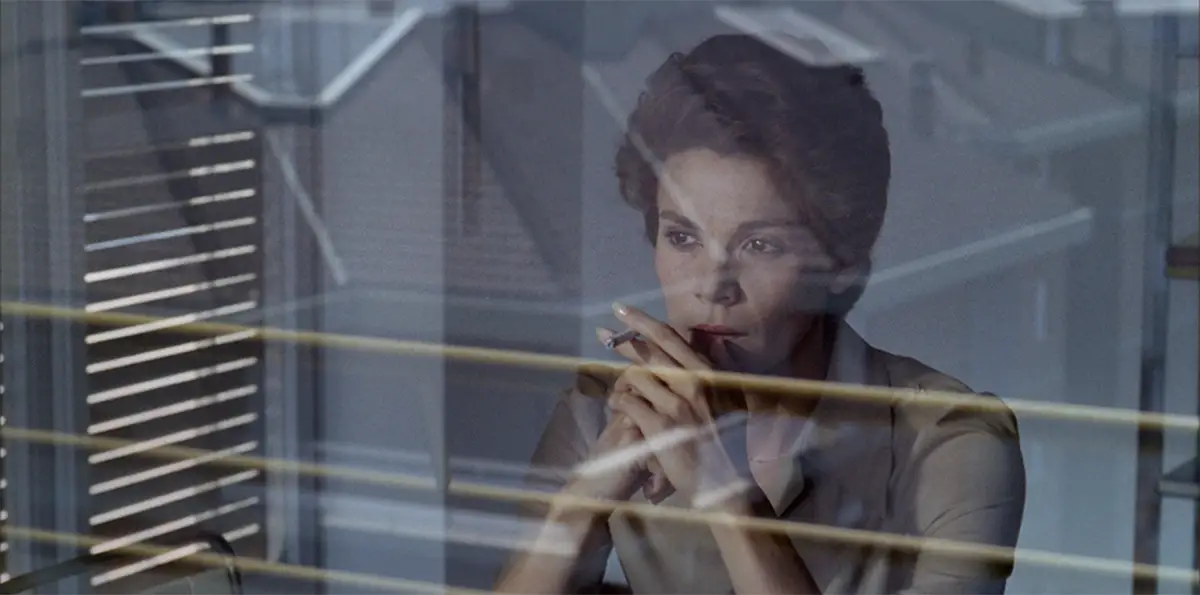
Barbara Hershey as Carla Moran. DP of The Entity: Stephen H. Burum.
[Favourite] psychological horror*
“A premonition of a horror film”
– tagline
* the Bales 2025 Film Challenge for October is horror-themed as opposed to date-based, and is all about favourites. Expect non-horror and films I believe to be relevant instead.
view
Il caso Valdemar [The Facts in the Case of M. Valdemar] (Gianni Hoepli + Ubaldo Magnaghi, 1936)
Oct
24
M. Valdemar on his deathbed.
[A] favourite horror movie overall*
”'M. Valdemar,' I said, 'are you asleep?' He made no answer, but I perceived a tremor about the lips, and was thus induced to repeat the question, again and again. At its third repetition, his whole frame was agitated by a very slight shivering; the eye-lids unclosed themselves so far as to display a white line of the{n} ball; the lips moved sluggishly, and from between them, in a barely audible whisper, issued the words:
'Yes; — asleep now. Do not wake me! — let me die so!'”
– Edgar Allan Poe, The Facts in the Case of M. Valdemar (1845) (via)
A man agrees on being hypnotised while in the state of dying. This particularly haunting and efficiently gory film – the first in the genre – is the result.
* the Bales 2025 Film Challenge for October is horror-themed as opposed to date-based, and is all about favourites. Expect non-horror and films I believe to be relevant instead.
view
The Mystery of the Mary Celeste [Phantom Ship] (Denison Clift, 1935)
Oct
23
Bela Lugosi
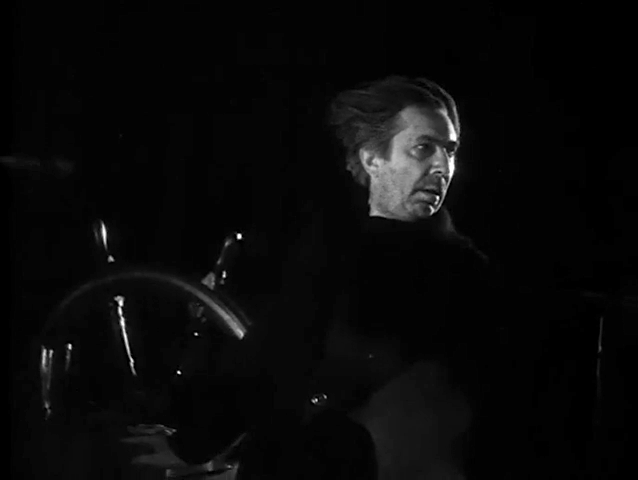
Anton Lorenzen (Lugosi) at Mary Celeste's wheel. DPs: Eric Cross & Geoffrey Faithfull.
[A favourite] Bela Lugosi film*
“No, I never left the wheel; not for a moment.”
– Anton Lorenzen
A post-Dracula Lugosi demonstrates that he's more than the cursed aristocrat. An efficient early Hammer production, made just a year after their founding.
* the Bales 2025 Film Challenge for October is horror-themed as opposed to date-based, and is all about favourites. Expect non-horror and films I believe to be relevant instead.
view
Vargtimmen [Hour of the Wolf] (Ingmar Bergman, 1968)
Oct
4
aquavit
spoiler warning: click to toggle image
.jpg)
Digestifs served with glass peepers Skål! DP: Sven Nykvist.
“This is my supper, you see. Lindhorst, who knows the world, says that old harlots have a morbid desire to satisfy their mouths and stomachs.”
– Gamla Fru von Merkens
view
Gothic (Ken Russel, 1986)
Oct
1
Frankenstein
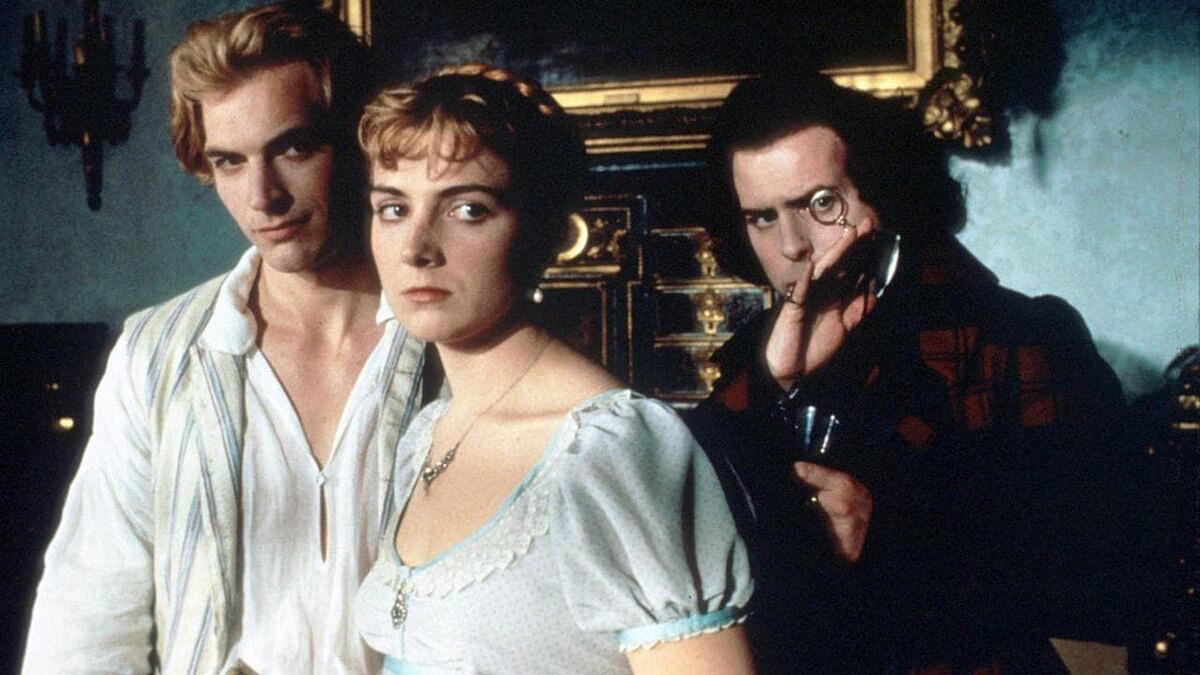
Percy Shelley (Gabriel Byrne), Mary Shelley (Natasha Richardson) and Dr Polidori (a deliriously delicious Timothy Spall). DP: Mike Southon.
A [favourite] Frankenstein film.
One wet, ungenial summer in 1816, lovers Mary Godwin and Percy Shelley, and Mary's stepsister Claire Clairmont, visited a dear friend at Villa Diodati. That friend was Lord Byron, exiled and residing in the Swiss villa with his physician Dr John Polidori
“There are no ghosts in daylight. You'll get used to our nights at Diodati. A little indulgence to heighten our existence on this miserable Earth. Nights of the mind, the imagination. Nothing more.”
– Lord Byron
Forced indoors, over the cause of three days they turned to the occult, to laudanum, to stories from the Fantasmagoriana, and the horrors of their own. That summer, Frankenstein saw the light of day.
view
Sep
30
International Translation Day
“This mirror reflected a painting… with words. Chinese idiograms. 'The she-crane calls in the shadow. Her cheek answers.'”
– Alice Campos
Alice, the always fantastically brooding Florinda Bolkan, works as a translator when all of sudden she loses her job and finds herself on the small island of Garma. People tell her she has been there before, recently, but she knows this is not possible.
Some English-language posters try to sell Le orme as an action-ridden sci-fi giallo, but oh boy leave that perception behind and you're in for one unsettling treat! Le orme can be placed somewhere between Don't Look Now and that other Alice film, Chabrol's Alice ou la dernière fugue. Drifting and elegant, distant and claustrophobic.
view
La strega in amore [The Witch] (Damiano Damiani, 1966)
Sep
27
We, the viewer, sit at the head of a long table. Two women at the tall ends of the table stop eating to look at us. It's ominous. DP: Leonida Barboni.
view
Les Vampires [The Vampires or, The Arch Criminals of Paris] (Louis Feuillade, 1915/1916)
Aug
24
black
Black, in food or fashion*
“It is vital to be photogenic from head to foot. After that you are allowed to display some measure of talent.”
– Musidora
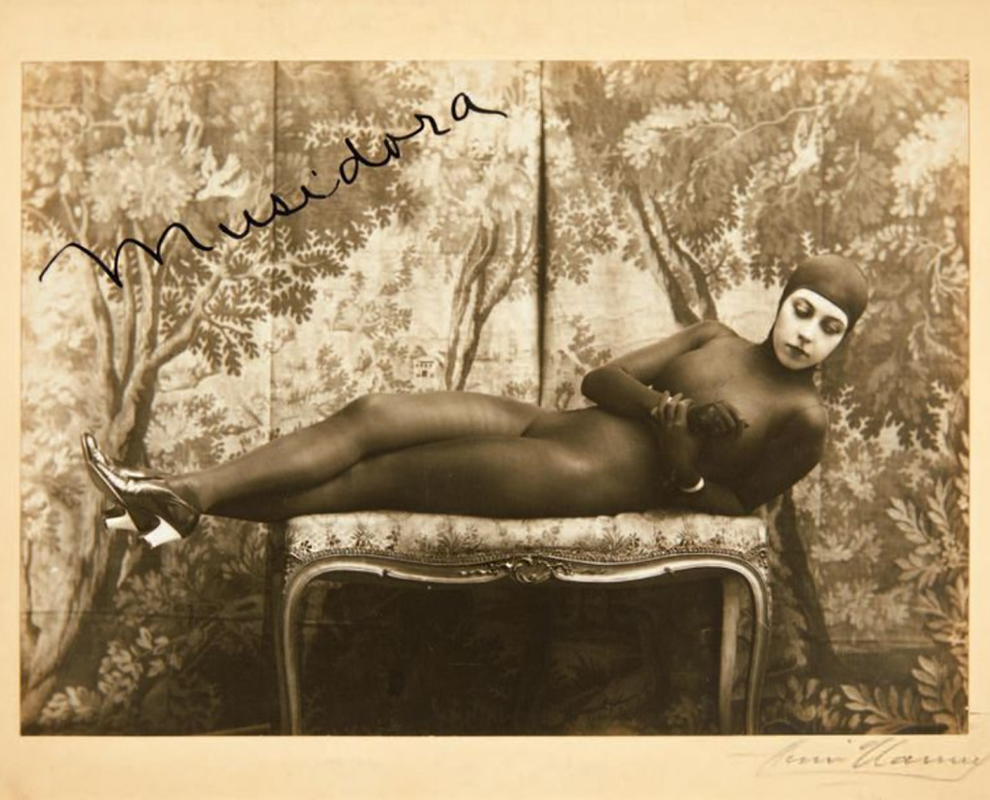
Possibly the first, and definitely the most, iconic catsuit in cinema is worn by Musidora as Irma Vep in Les Vampires. Skintight and scandalous, Musidora's screen presence in the serial further cemented the popularity of the vamp and set the scene for many man-eaters to come.



.png)