view
Una libélula para cada muerto [A Dragonfly for Each Corpse] (León Klimovsky, 1975)
May
14
Martedi
Grimy looking Inspector Paolo Scaporella (Paul Naschy) in intense phone conversation. The wall calendar reads Maggio 29 Martedi. DP: Miguel Fernández Mila.
view
Les félins [Joy House / The Love Cage] (René Clément, 1964)
May
14
Barbara Hill (Lola Albright) going through Marc Borel's (Alain Delon) passport, which states Marc's date of birth as May 14. On Barbara's desk several curiosities, including a shrunken head in a glass case. DP: Henri Decaë.
view
The Appointment (Lindsey C. Vickers, 1982)
May
14
Tue
A schoolgirl with long brown hair seen from the back. She's taking the popular shortcut through the fields. DP: Brian West.
“Subject, Sandy Fremont. The last positive sighting of the child was on her way home from a school orchestra rehearsal. This was on Tuesday May 14th at approximately 6:30 in the evening.”
view
The Searchers (John Ford, 1956)
May
12
1852
A little girl finds comfort in a rag doll. She's sitting against a wooden grave marker. Another scene reveals the date. DP: Winton C. Hoch.
view
Unearthly Stranger (John Krish, 1963)
May
10
10.30 a.m
spoiler warning: click to toggle image
.png)
An invitation: The Funeral of Geoffrey Munroe will take place on Friday 10th May at St. Marys Church 10.30 a.m. DP: Reginald H. Wyer.
view
Le Horla [The Horla] (Jean-Daniel Pollet, 1966)
May
08
A reel-to-reel tape recorder. DP: Jean-Jacques Rochut.
and subsequent days.
“8th of May. What a lovely day!”
– voice on tape
view
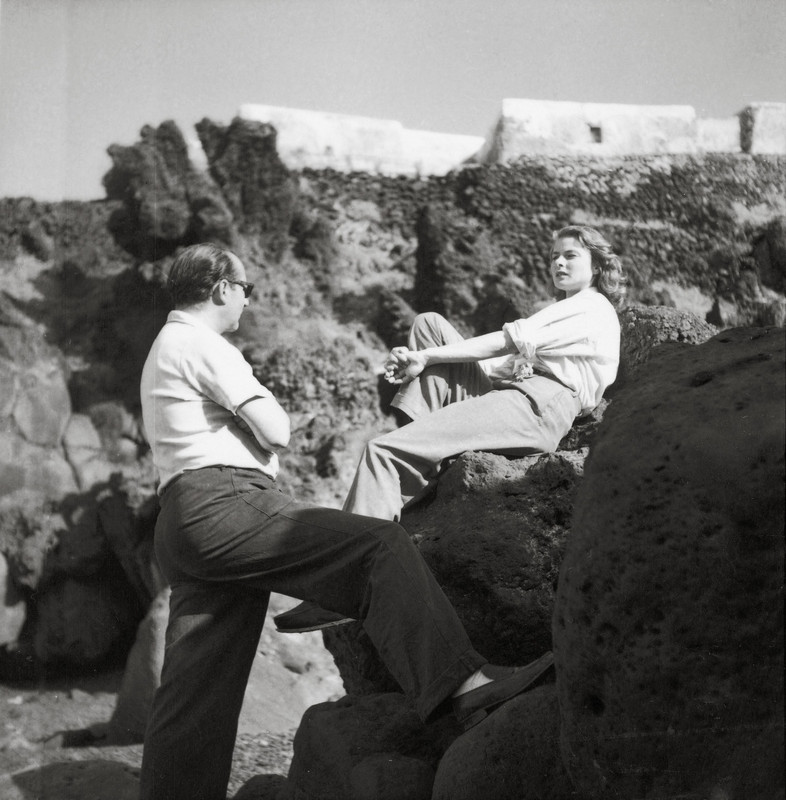
Stromboli (Terra di Dio) [Stromboli] (Roberto Rossellini, 1950)
May
8
birthdays
Roberto Rossellini and Ingrid Bergman on set on Sardinia. In the background the house Bergman's character moves into with her husband. DP: Otello Martelli.
May 8 is both director Rossellini and Bergman's character Karen's #birthday.
“What mystery, what beauty.”
– Karen
view
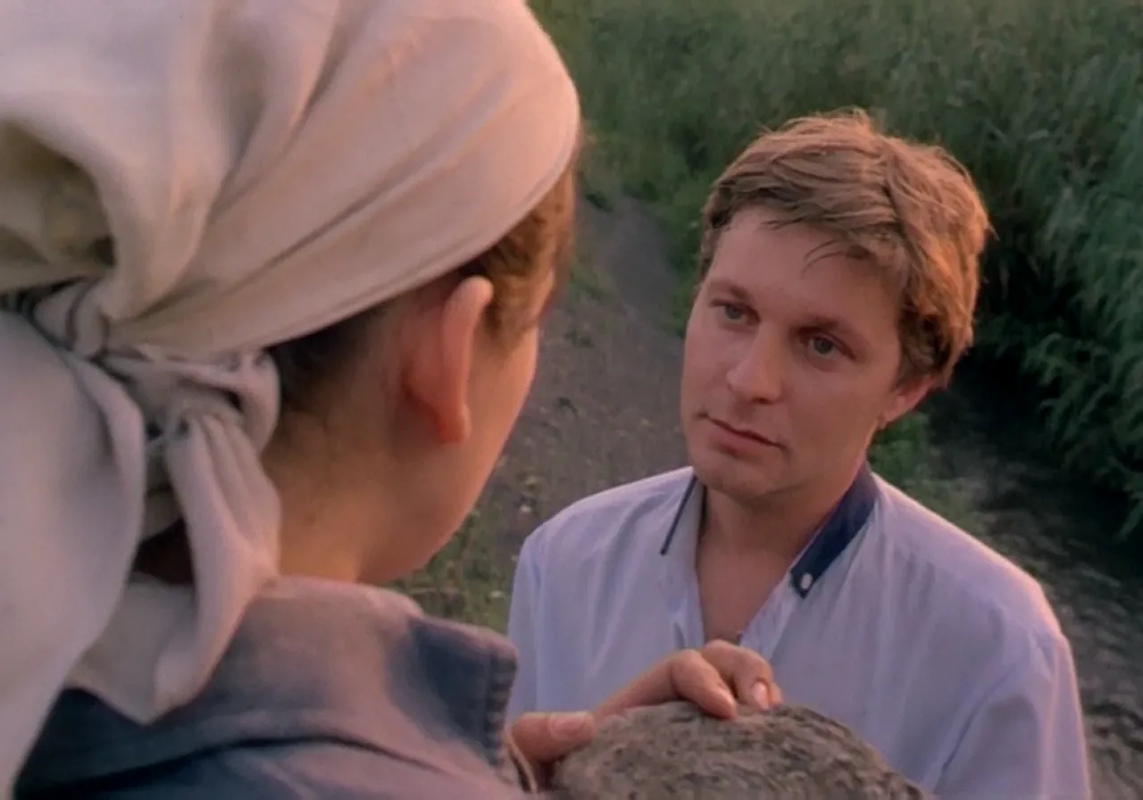
Зеркало для героя [Zerkalo dlya geroya / Mirror for a Hero] (Vladimir Khotinenko, 1987)
May
8
1949
Sergey Pshenichnyy (Sergey Koltakov) speaking to one of the 1940s farmers. DP: Evgeniy Grebnev.
view
Beyond a Reasonable Doubt (Fritz Lang, 1956)
May
7
Susan Spencer (Joan Fontaine) lighting Tom Garrett's (Dana Andrews) cigarette. DP: William E. Snyder.
“It's a weird, crazy idea, but that's the reason it intrigues me.”
– Tom Garrett
view
The Unholy Three (Tod Browning, 1925)
May
6
Tweedledee (Harry Earles), Hercules (Victor McLaglen), and Echo – The Ventriloquist (Lon Chaney). DP: David Kesson.
“It's spooky! It sounds… unholy!”
– Echo
.png)


.png)
.png)