view
Endişe [Anxiety] (Yılmaz Güney + Şerif Gören, 1974)
Sep
1
Labor Day
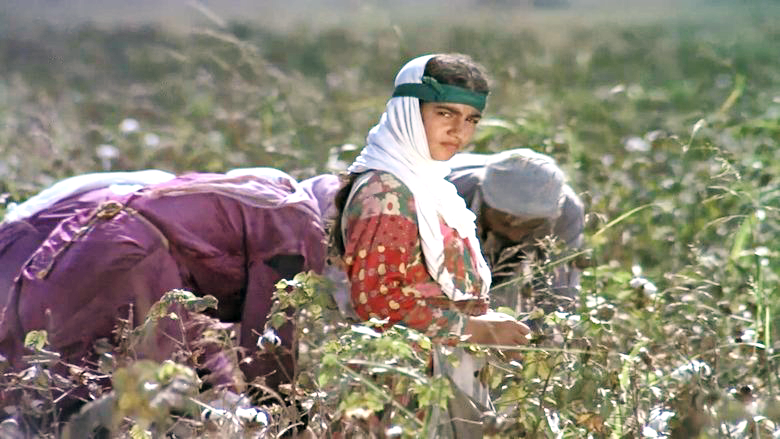
A Kurdish worker in the cotton fields. She looks straight into the camera while two others continue their work. DP: Kenan Ormanlar.
The Industrial Revolution, or unions, for Labor Day (USA)
Kurdish seasonal cotton pickers fear losing their job when mechanisation is preferred by their overseers. While unionising, Cevher, one of the workers – tries to stay out of the hands of his enemies, who want him because of a blood feud.
view
Mon oncle (Jacques Tati, 1958) / Koolhaas Houselife (Ila Bêka + Louise Lemoine, 2008)
Aug
29
grey
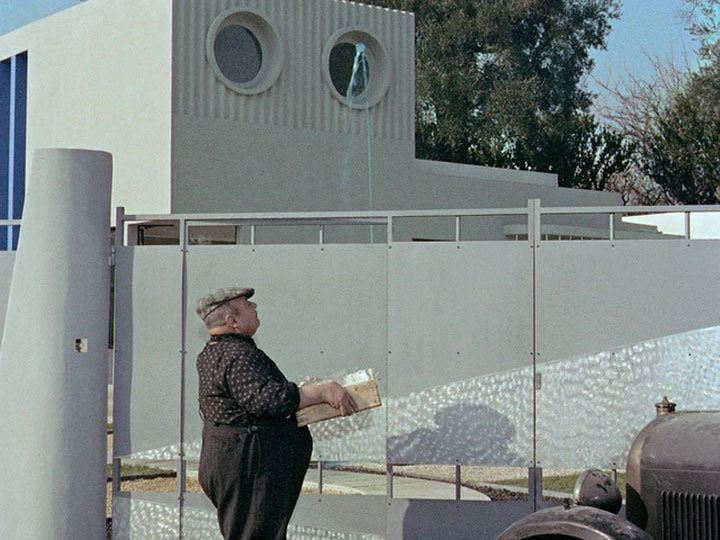
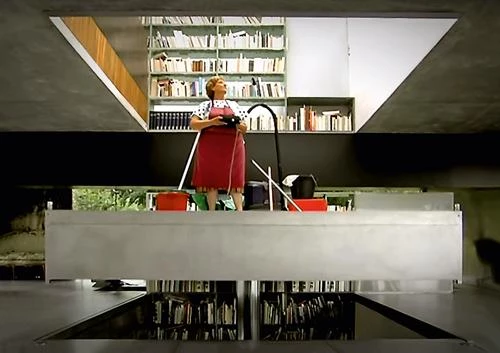
A delivery man in front of the gates of Villa Arpel (via), and custodian Guadalupe Acedo working the lift in Maison à Bordeaux. DP of Mon Oncle: Jean Bourgoin.
[A favourite] colour: grey*
Approaching the 60s, Mr Hulot finally switches from black-and-white to colour. Suddenly, we see that his suit is a beigeish grey and so is the Arpels' house, that modernist masterpiece designed by Tati. The beloved luddite struggles with hypermodern people and their hypermodern constructs, much alike the future Hulot from Playtime (1967).
– A house like yours must be such a job!
– Oh, a leaf! Ah, yes it's a chore.
– Admit it, you love it.
In similar absurd fashion, Guadalupe Acedo, cleaning lady, works her way through Rem Koolhaas' Maison à Bordeaux (1998) in Bêka and Lemoine's Koolhaas Houselife (2008). Too steep are the stairs, too leaky everything else. Levelheaded, she does her thing; a small beacon of romantic practicality in a world of absurd efficiency.
view
Bed Peace [John and Yoko: The Bed-In] (John Lennon + Yoko Ono, 1969)
Aug
27
white
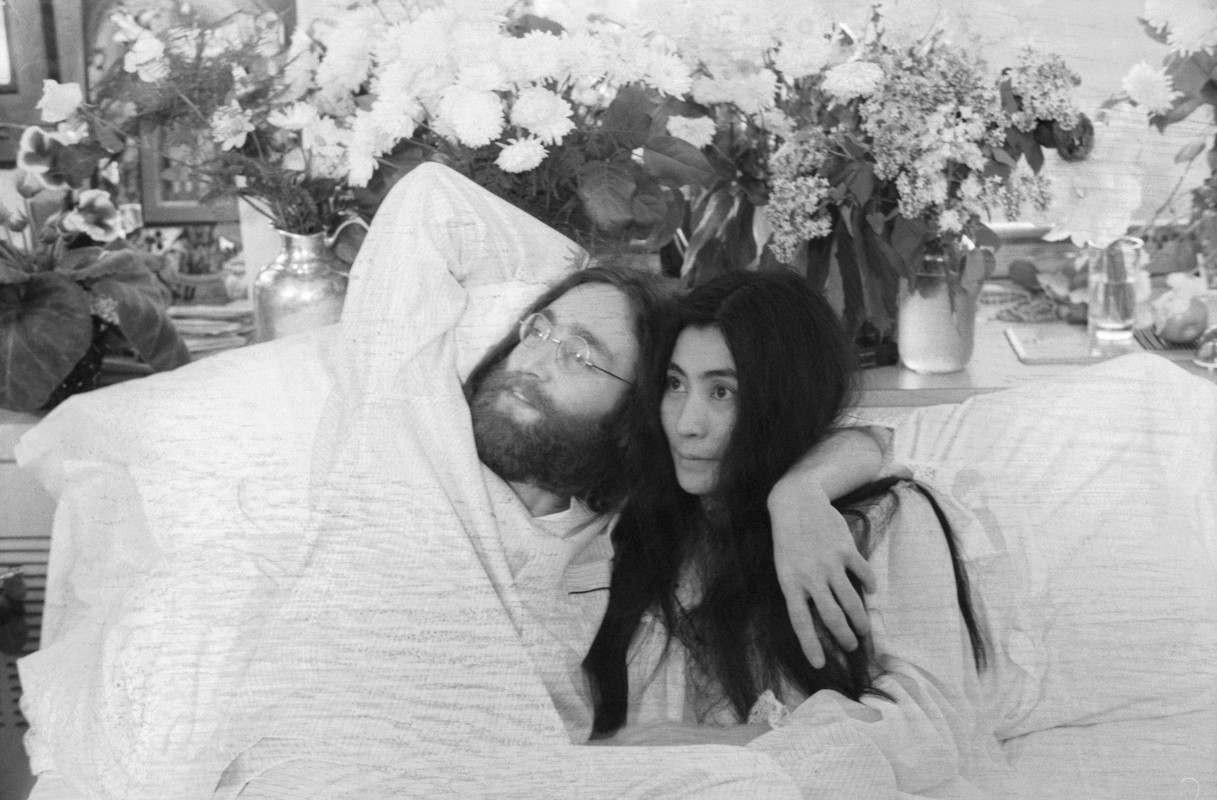
John and Yoko in their bed, dressed in all-white, framed by flowers. DP: Nicholas D. Knowland.
White, in food or fashion*
“Remember love, remember love
Love is what it takes to dream”
– Yoko Ono, Remember Love (1969)
While the press expected the newlyweds' “bed-in” to be a scandalous nude affair, the two lovers showed up in all-white – like angels, as John put it. Surrounded by journalists and friends, John and Yoko imaged peace.
view
Les Vampires [The Vampires or, The Arch Criminals of Paris] (Louis Feuillade, 1915/1916)
Aug
24
black
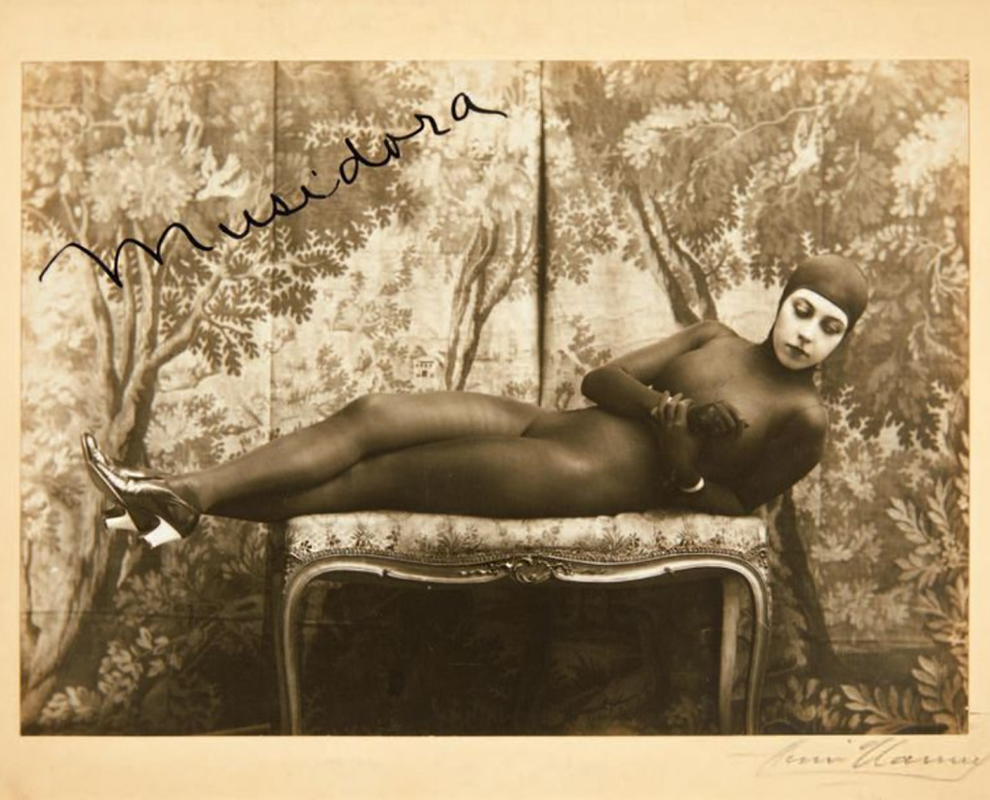
Black, in food or fashion*
“It is vital to be photogenic from head to foot. After that you are allowed to display some measure of talent.”
– Musidora
Possibly the first, and definitely the most, iconic catsuit in cinema is worn by Musidora as Irma Vep in Les Vampires. Skintight and scandalous, Musidora's screen presence in the serial further cemented the popularity of the vamp and set the scene for many man-eaters to come.
view
颱風圏の女 [Taifuken no onna / The Woman in the Typhoon Area] (Hideo Ōba, 1948)
Aug
23
* International Talk like a Pirate Day takes place on September 19.
view
The Black Tower (John Smith, 1985—1987)
Aug
22
black
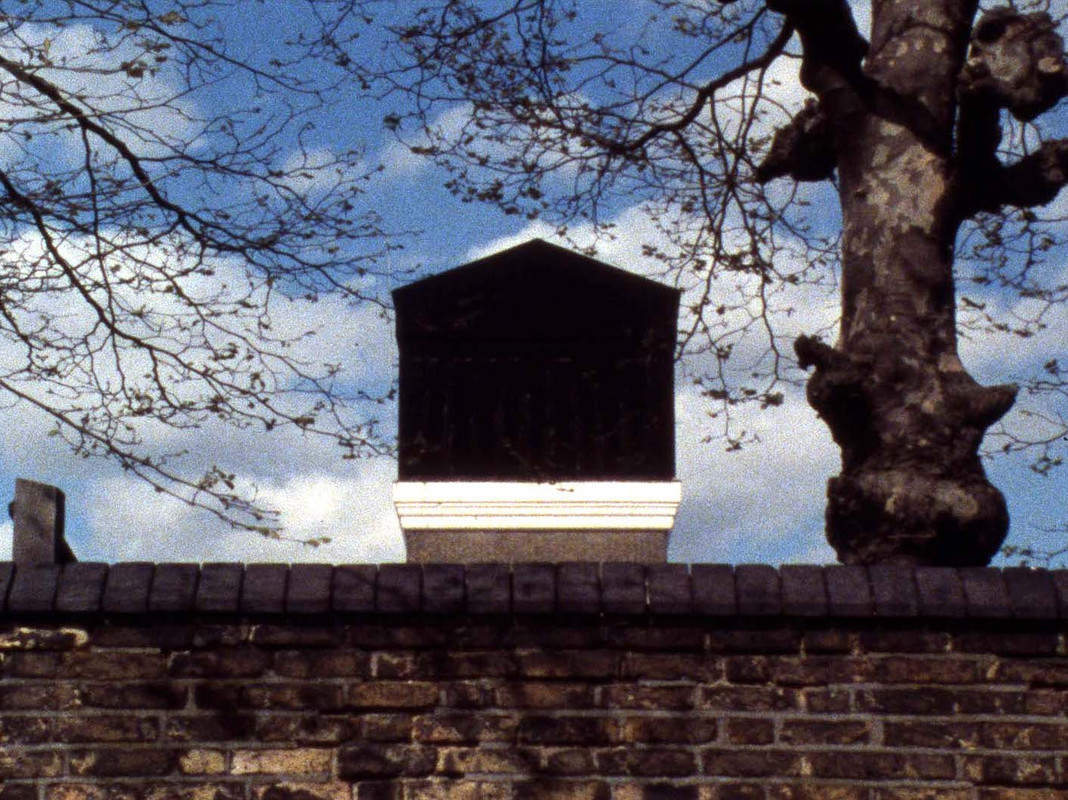
Black: a building or structure*
“I first noticed it in Spring last year. […] It was from [my home] that I first saw it—its crest protruding over the roofs on the other side of the road. Surprised that I hadn’t noticed it before, I wondered what it was and then forgot about it for several weeks.”
– narrator
The black tower was a real structure, first noticed by filmmaker John Smith when he moved to East London. The building, actually the upper part of a hospital's water tower, was painted pitch black, and on sunny days appeared to be a cutout in the sky. By framing the shots in such a way that only part of the surroundings is visible, and editing them in a narrative framework, Smith creates a new context suggesting movement. This style of montage called creative geography, or artificial landscape, was developed by Lev Kuleshov and enables filmmakers to expand existing material and narrative into something that usually is only available to prose poetry.
view
Månen är en grön ost [The Moon Is a Green Cheese] (Mai Zetterling, 1977)
Aug
21
violet
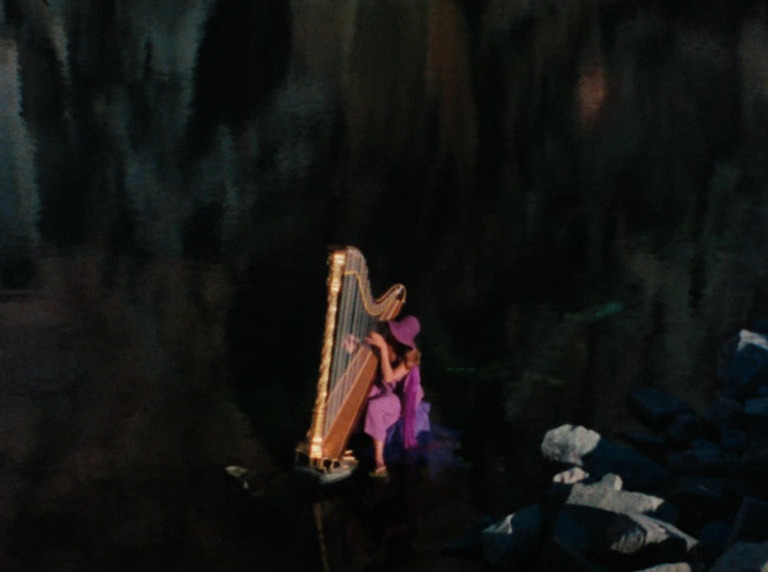
A woman in a violet dress and sunhat, plays a harp in the middle of a lake (via). DP: John Bulmer.
Violet in food or fashion. If in doubt, pick a title with ALL the colours of the rainbow!*
During their stay in the family summer house, two sisters imagine themselves as adults, once for every colour of the rainbow.
view
Guide [The Guide] (Vijay Anand, 1965)
Aug
20
fasting
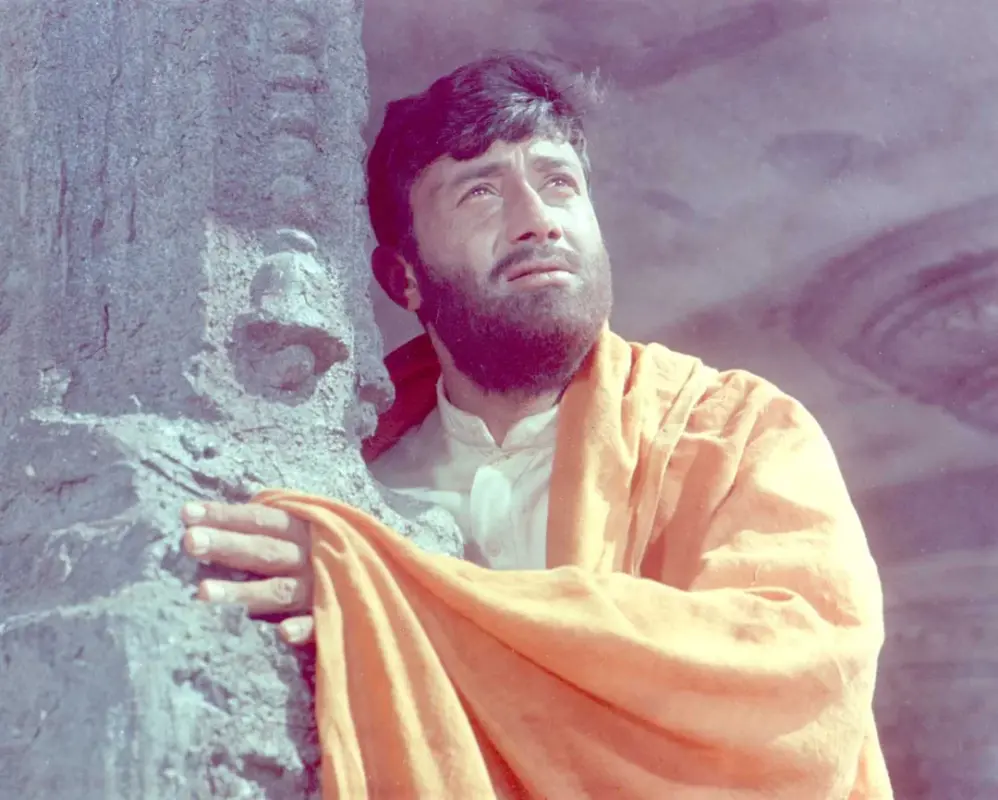
A scruffy looking Raju (Dev Anand) wearing the orange shawl of a holy man. DP: Fali Mistry.
Ramadan [on the ninth month of the Islamic calendar, not mid-August]: someone atones or fasts*
“These people have faith in me, and I have faith in their faith.”
– Swami Ji
view
Le Horla [The Horla] (Jean-Daniel Pollet, 1966)
Aug
19
violet
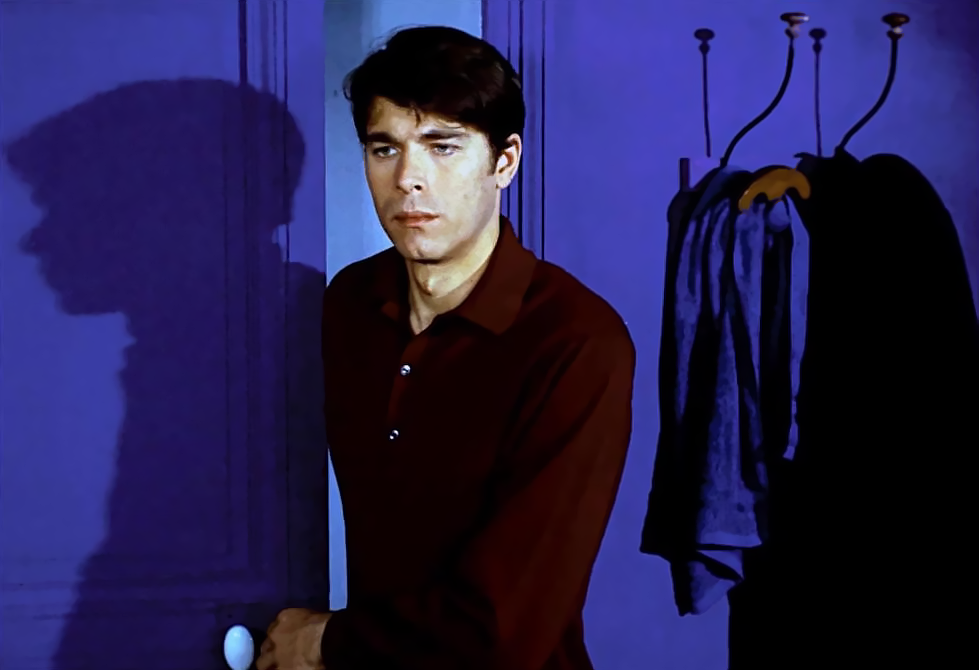
The narrator enters a violet-blue room via a lavender-purple corridor (via). DP: Jean-Jacques Rochut.
Violet: a building or structure *
“Is it the form of the clouds, or the tints of the sky, or the colours of the surrounding objects which are so changeable, which have troubled my thoughts as they passed before my eyes? Who can tell?”
– Guy de Maupassant, Le Horla, 1887 (via)
Objects and rooms have distinct colours ranging from the deepest blues and violets to a pale lavender, a muted silver and shocks of yellow. The usage of colour in Le Horla is striking throughout and reminds me of how Van Gogh's paintings became increasingly colourful as his madness enveloped him.
view
Nineteen Eighty-Four (Rudolph Cartier, 1954)
Aug
18
indigo
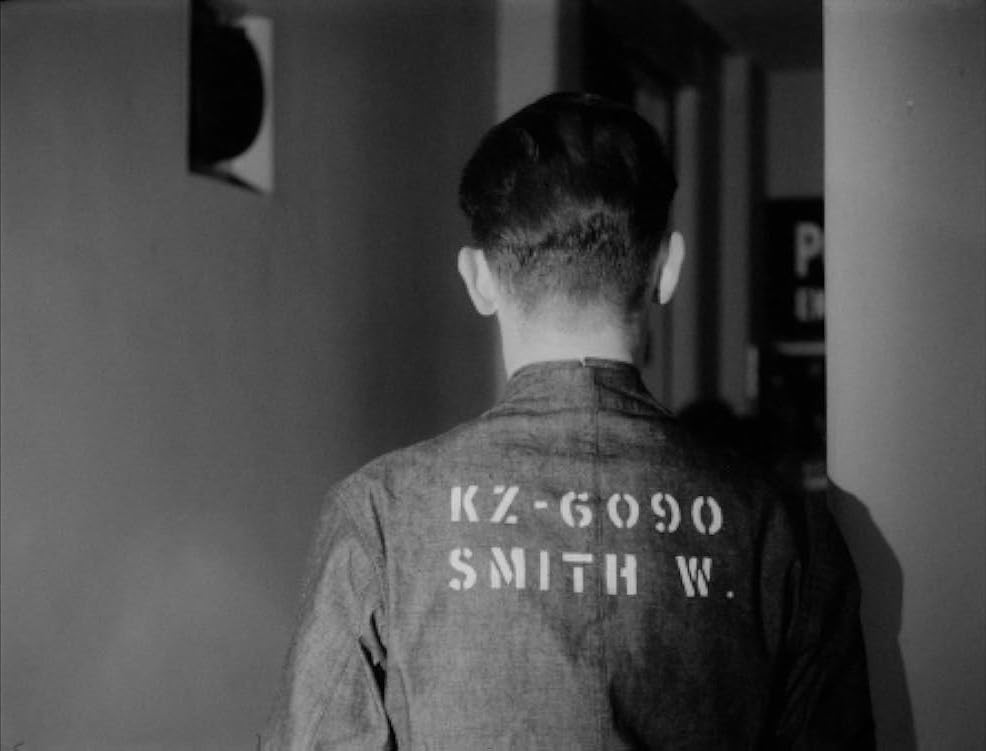
Winston Smith (Peter Cushing). We only see his frail looking back with the identifier KZ-6090, and his name SMITH W.
Indigo, in food or fashion*
“He moved over to the window: a smallish, frail figure, the meagreness of his body merely emphasized by the blue overalls which were the uniform of the party. His hair was very fair, his face naturally sanguine, his skin roughened by coarse soap and blunt razor blades and the cold of the winter that had just ended. “
– George Orwell, Nineteen Eighty-Four (1949) (via)