view
L'udienza [The Audience] (Marco Ferreri, 1972)
Feb
2
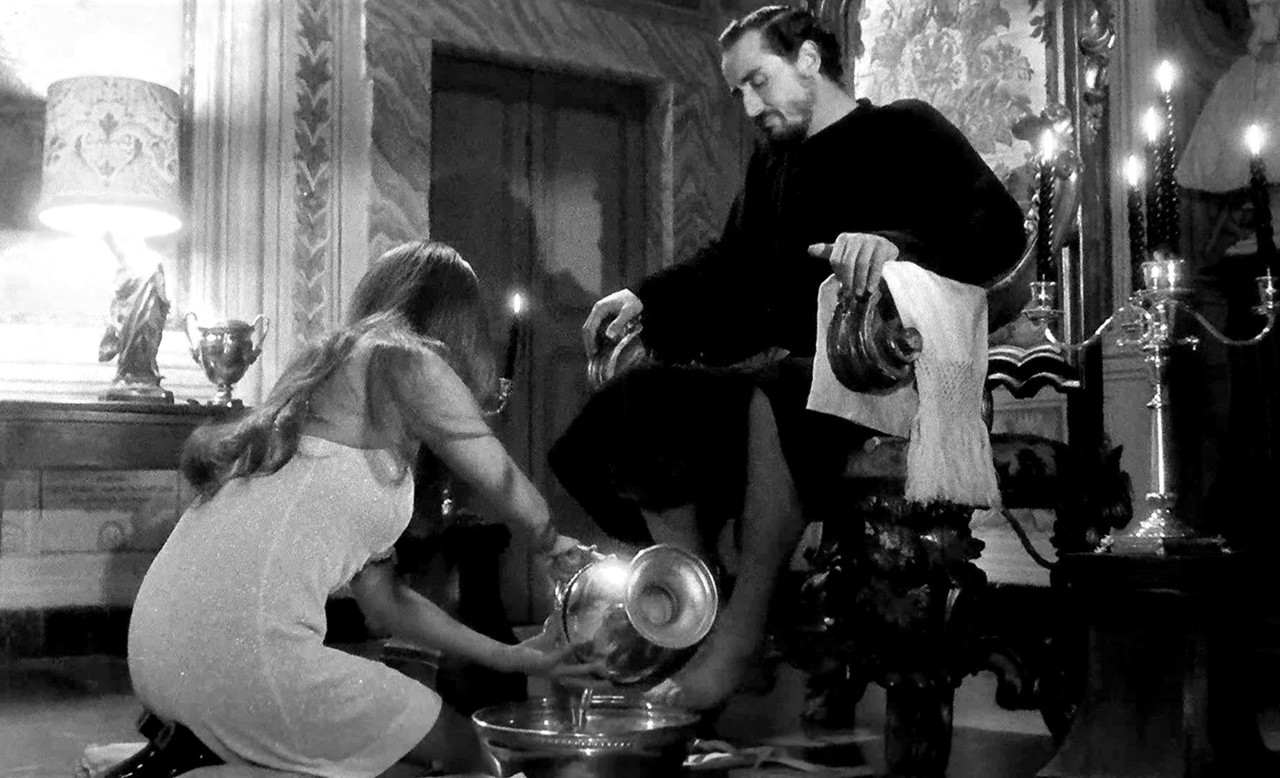
Aiche (Claudia Cardinale) washing Principe Donati's (Vittorio Gassman) feet. DP: Mario Vulpiani.
view
燃えつきた地図 [Moetsukita chizu / The Man Without a Map / The Ruined Map] (Hiroshi Teshigahara, 1968)
Feb
2
Shintarō Katsu and Etsuko Ichihara as the detective and the missing man's wife, their faces and gestures warped by a paned window. DP: Akira Uehara.
view
The Man Who Laughs (Paul Leni, 1928)
Jan
29
1690
A hand-painted carnival banner reading “URSUS ye Philosopher presents THE LAUGHING MAN. Don't fail to see GWYNPLAINE who was deserted at ye age of ten on ye night of ye 29th of January 1690 by ye Villainous Comprachicos on ye coast of Cornwall. This little boy has grown up and is now known as THE LAUGHING MAN”. DP: Gilbert Warrenton.
“What a lucky clown you are! You don't have to wipe off your laugh.”
view
کلوزآپ ، نمای نزدیک [Klūzāp, nemā-ye nazdīk / Close-Up] (Abbas Kiarostami, 1990)
Jan
19
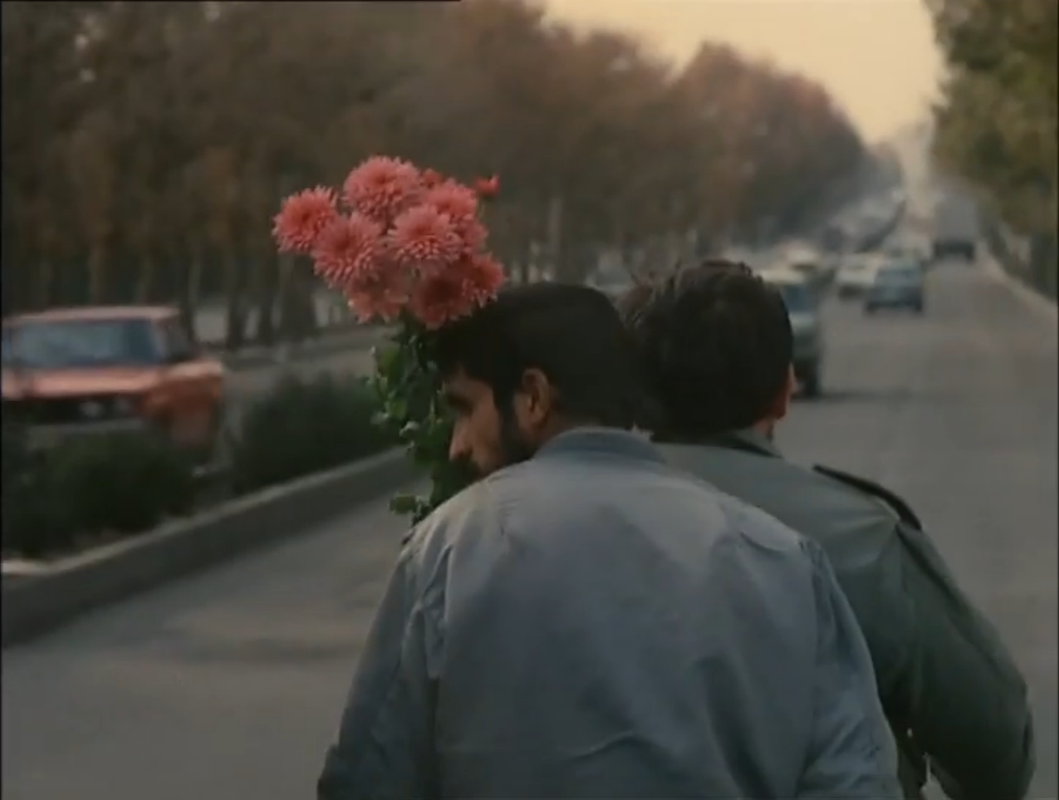
Hossain Sabzian on the back of a motorcycle on a busy tree-lined, four lane street. He's holding a large potted rose-red dahlia. DP: Ali Reza Zarrindast.
– Is there anything I can do for you?
– You could make a film about my suffering.
view
黒の試走車 [Kuro no tesuto kā / Black Test Car] (Yasuzō Masumura, 1962)
Jan
18
We watch over a man's shoulder. He's behind a table, wearing a pinstripe suit. In front of him drinks and chopsticks on a chopstick rest. He's signing the top leaf of a chequebook. DP: Yoshihisa Nakagawa.
view
The Sleeping Tiger (Joseph Losey, 1954)
Jan
14
spoiler warning: click to toggle image
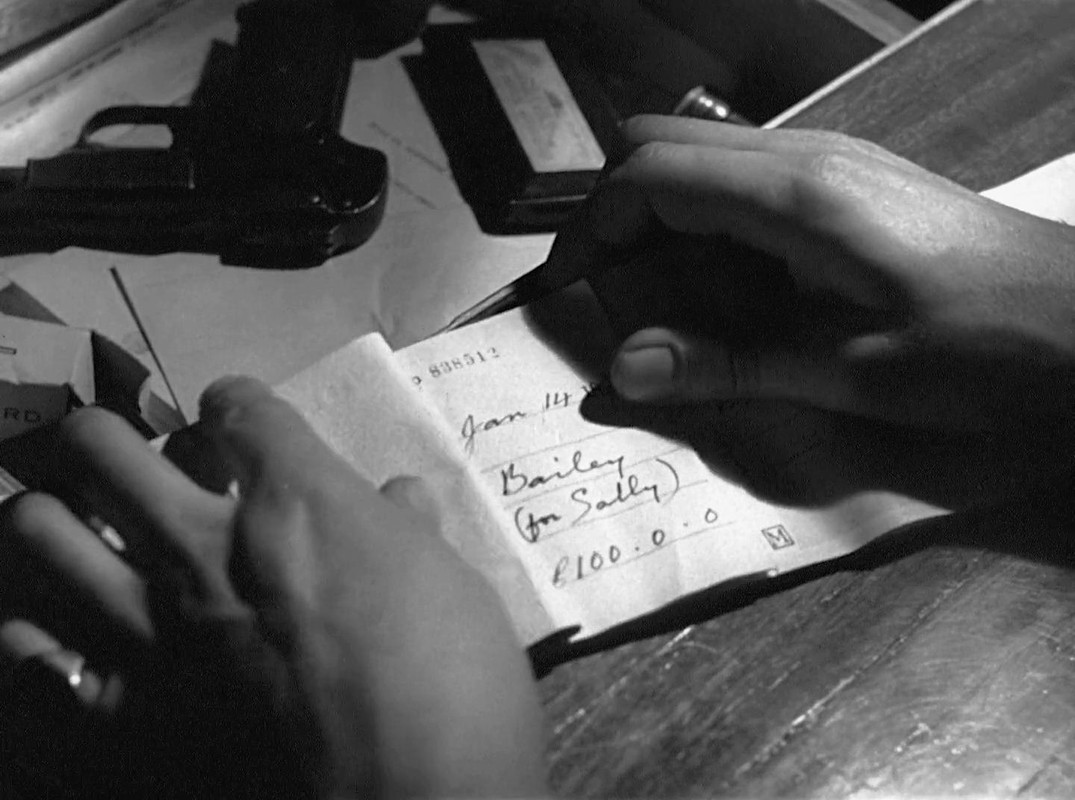
A cheque dated January 14. DP: Harry Waxman .
“If the halo fits, put it on. And don't pretend you don't love winding people up like little toys.”
– Glenda Esmond
view
Times Square (Allan Moyle, 1980)
Jan
10
1967
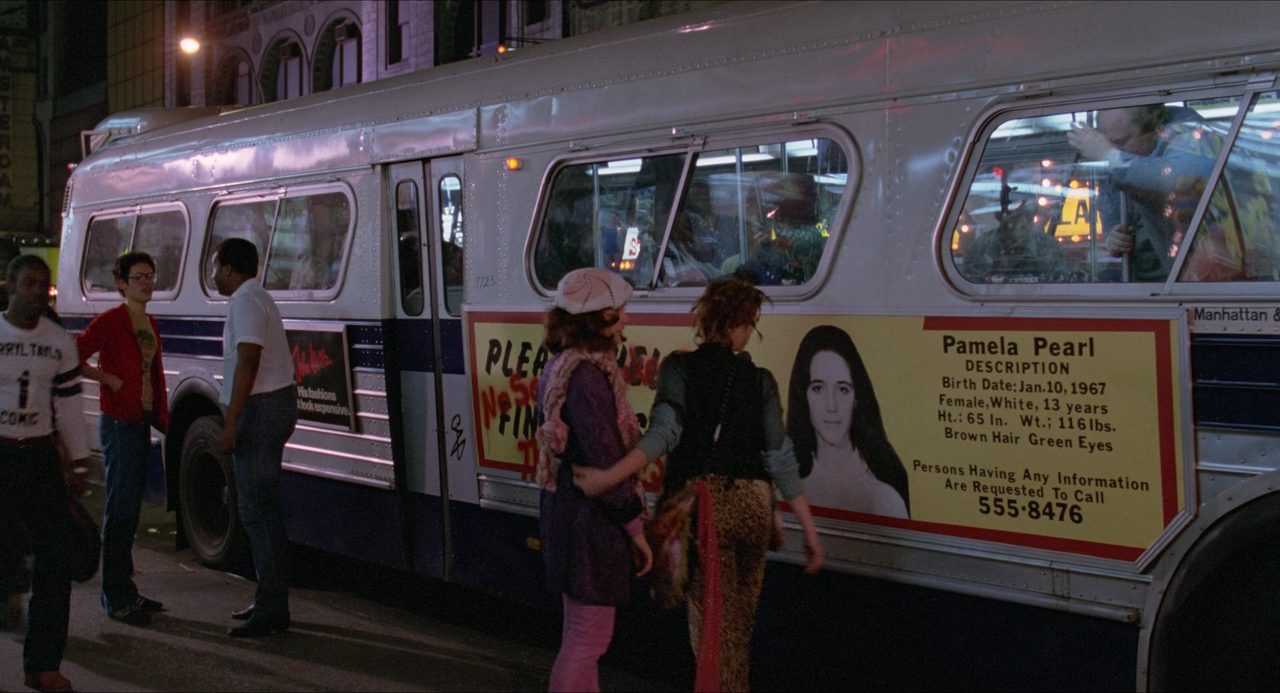
A bus on Times Square with a large (expensive) ad asking people to be on the lookout for a Pamela Pearl, born January 10, 1967. DP: James A. Contner.
“Yes, it's story time on WJAD in the heart of Times Square, New York, New York. The city so nice, they named it twice.”
– Johnny LaGuardia, on the air
view
N.P. il segreto [N.P.] (Silvano Agosti, 1971)
Jan
3
1979
The January 3–4 International Herald Tribune reports on The Gunboat Affair. DP: Dimitri Nicolau.
view
Que la bête meure [The Beast Must Die] (Claude Chabrol, 1969)
Jan
3
A hand writes 3 janvier in red ink on quad paper. DP: Jean Rabier.
view
Amore di ussaro (Luis Marquina, 1940)
Jan
1
1900
Margarita (Conchita Montenegro) and her hussar Leonardo de Vargas (Luis Sagi Vela) hold each other on New Year's Eve when the year changes from 1899 to 1900. DP: Carlo Montuori.


.png)
.png)
.png)
.jpg)