view
Una giornata particolare [A Special Day] (Ettore Scola, 1977)
Apr
19
National Hanging Out Day
Antonietta (Sophia Loren) and Gabriele (Marcelo Mastroianni) on the roof of their building, clean sheets like a fort around them. DP: Pasqualino De Santis.
– As they say, 'Tidiness is the virtue of a mediocre mind.'
– Then I'm a genius.
view
La última cena [The Last Supper] (Tomás Gutiérrez Alea, 1976)
Apr
18
Good Friday
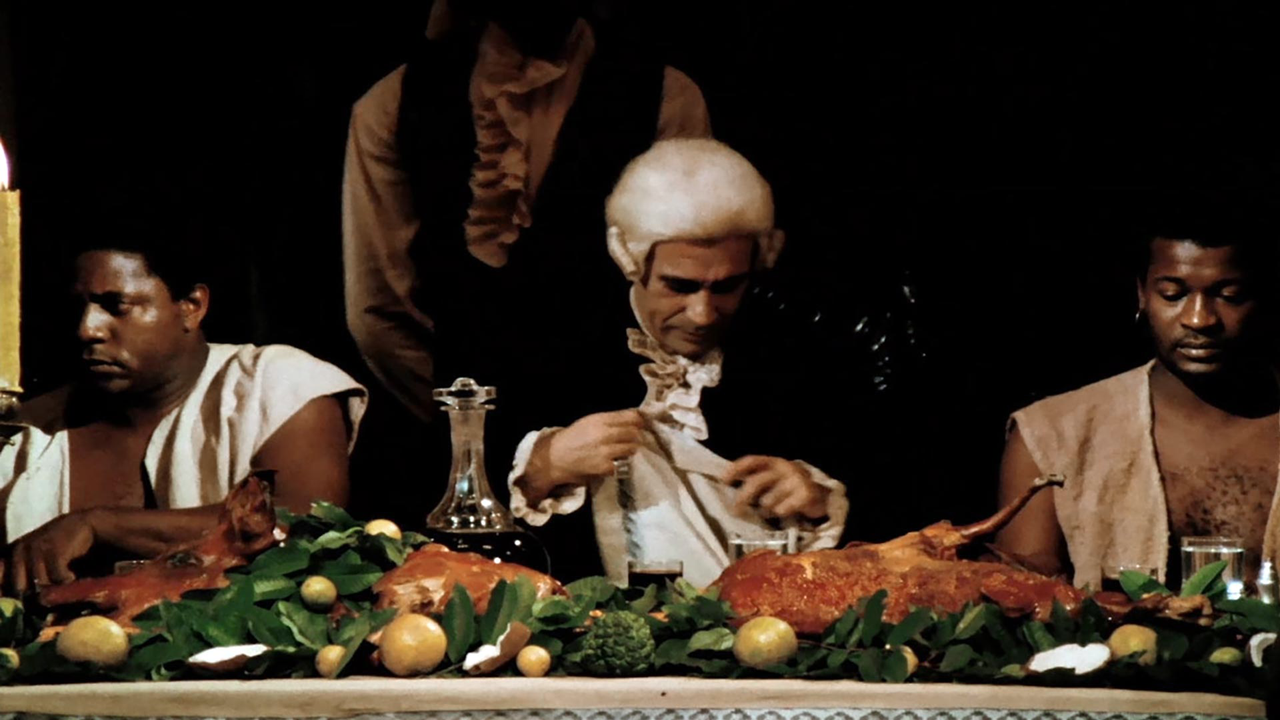
The count, Christ, flanked by two of his slaves, John and Thomas respectively. DP: Mario García Joya.
Good Friday: an occurrence during a Friday or weekend.
During Holy Week, a count visits his sugar mill on the day one of his slaves has escaped. Reluctant, overseer Don Manuel picks twelve slaves to join the count at his dinner table for a lecture about the possibility of happiness in slavery, all made up to resemble the Last Supper, with the count as Christ and the slaves as his apostles. Then conversation picks up, and the slaved men request, and are granted, a day off on Good Friday.
view
The Adventure of Faustus Bidgood (Andy Jones + Michael Jones, 1976/1986)
Apr
17
Constitution Act, 1982
Faustus Bidgood, President. DP: Michael Jones.
“I'm dead as a doornail
Though very high strung
I can make loud noises
Though I have no lung”
Clerk Faustus Bidgood dreams of becoming the president of Newfoundland and lead the province to secede from Canada.
Newfoundland's first and only all-Newfoundland film. It took ten years to complete.
view
Daïnah la métisse [Dainah the Mixed] (Jean Grémillon, 1932)
Apr
15
Titanic
Mechanic Michaux (Charles Vanel) and Daïnah (Laurence Clavius) on the Art Deco liner. DPs: Louis Page & Georges Périnal.
A cruise ship in remembrance of the sinking of the Titanic on April 14–15, 1912.
Mestiza Daïnah, who accompanies her illusionist husband on the luxury cruise ship he works on, loves to flirt and tease the other sex, including the ship's engineer Michaux. Then, she disappears.
view
Drylanders [Un autre pays] (Don Haldane, 1962)
Apr
14
Great Depression
A woman runs from one wooden house to the other, barely visible in the dust whirling up around her (via). DP: Reginald H. Morris.
A film set during the Great Depression (or set in Oklahoma) on the date John Steinbeck's The Grapes of Wrath was published in 1939.
A man who returns from the Boer War decides to become a wheat farmer, but – like so many others in North America – falls victim to the Dust Bowl.
view
悲愁物語 [Hishu monogatari / A Tale of Sorrow and Sadness] (Seijun Suzuki, 1977)
Apr
13
1997 Masters Tournament
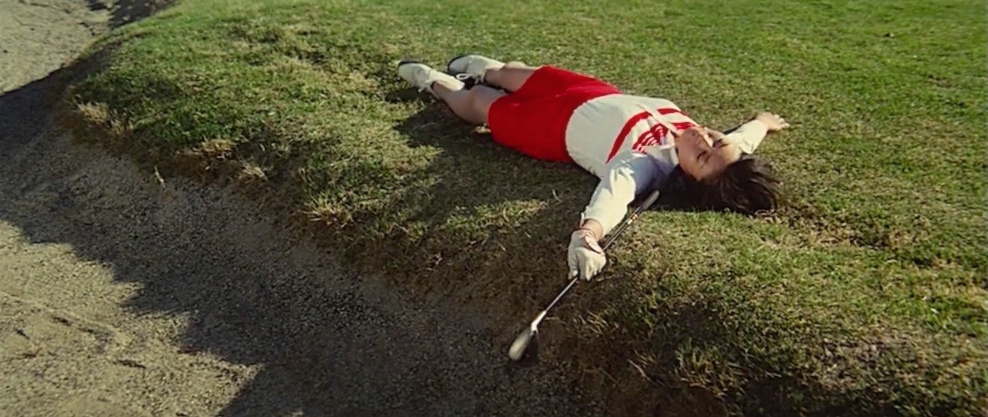
Reiko, looking fabulous, dropped down next to a sand-filled bunker. DP: Masaru Mori.
Golf (or a tiger) in honour of Tiger Woods' 1997 Masters Tournament victory.
Reiko (Yoko Shiraki), a professional model – is groomed into playing the circuit by the editor of a golfing fashion magazine. The rookie's unexpected success draws in all sorts of fans, including the obsessive.
view
Test pilota Pirxa [Pilot Pirx's Inquest] (Marek Piestrak, 1979)
Apr
12
International Day of Human Space Flight
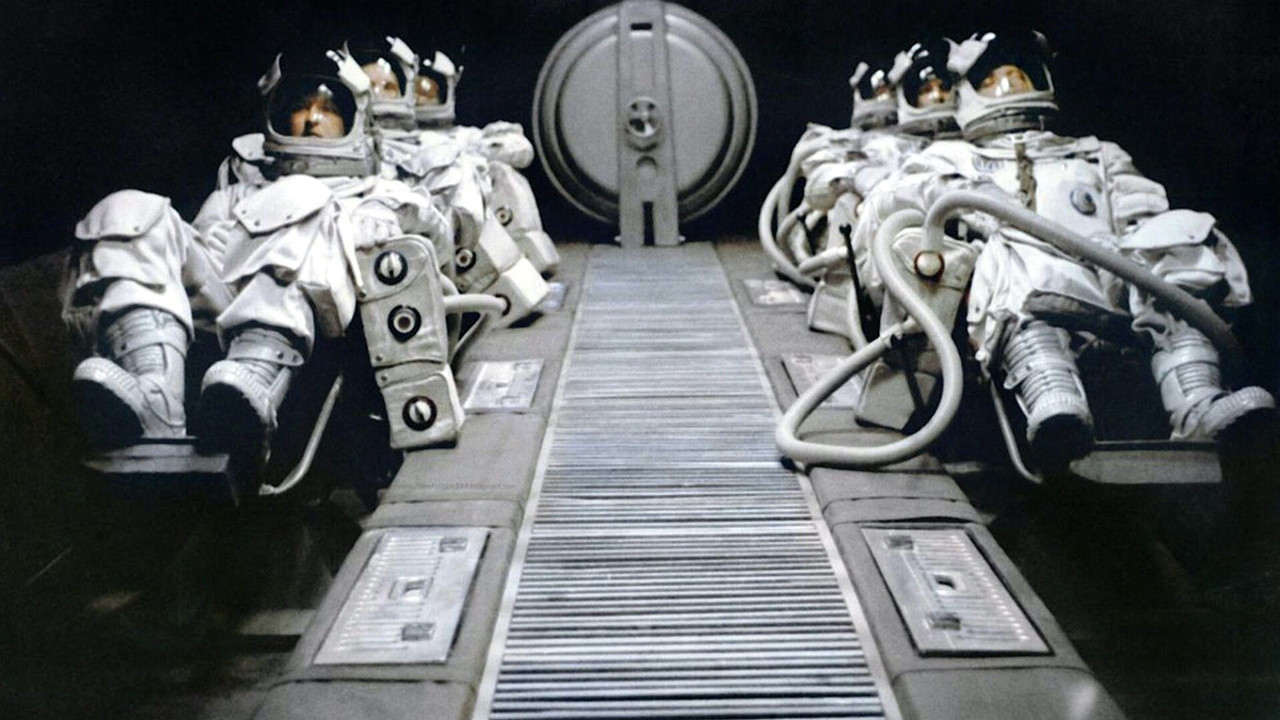
Men and nonlinears to board the ship set for Saturn's Cassini Division. DP: Janusz Pawłowski.
“He began thinking about the innocence of machines, about how man had endowed them with intelligence and, in doing so, had made them an accomplice of his mad adventures. About how the myth of the golem — the machine that rebelled against its creator — was a lie, a fiction invented by the guilty for the sake of self-exoneration.”
view
Les demoiselles de Rochefort [The Young Girls of Rochefort] (Jacques Demy, 1967)
APr
10
Siblings Day
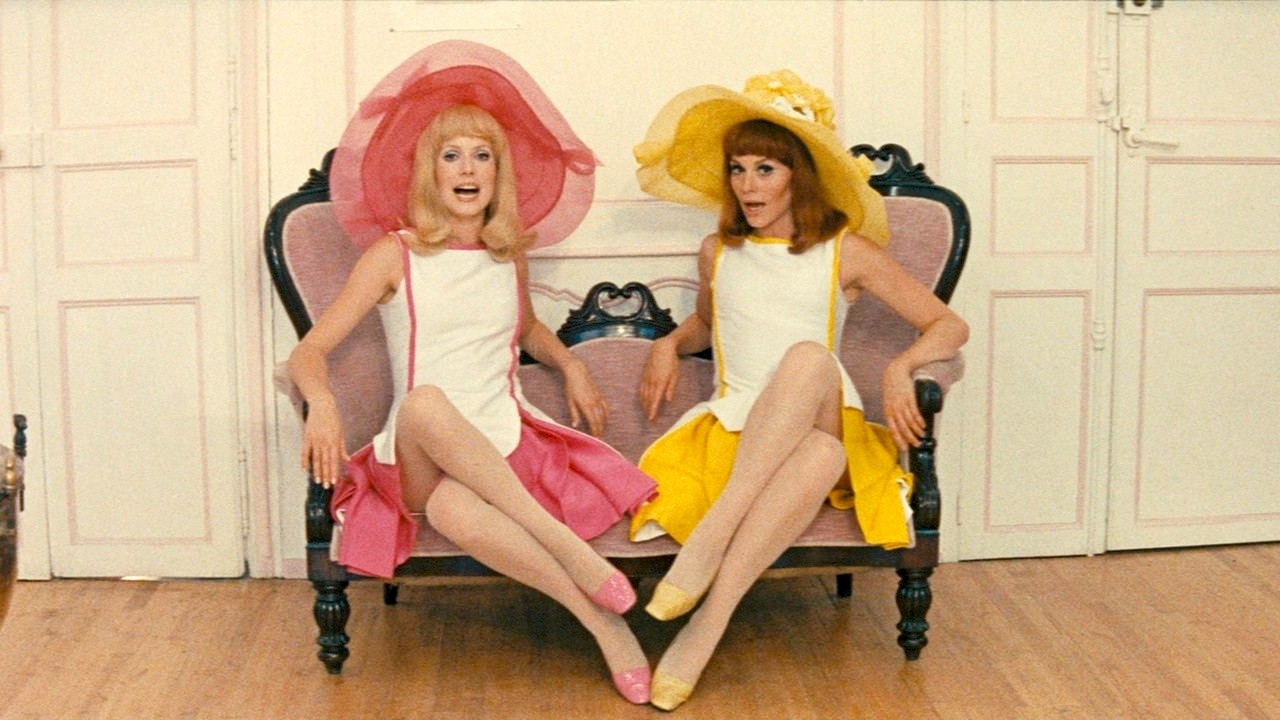
Sisters Delphine and Solange Garnier mid-song, played by real-world sisters Catherine Deneuve and Françoise Dorléac. DP: Ghislain Cloquet.
view
Images (Robert Altman, 1972)
Apr
9
National Unicorn Day
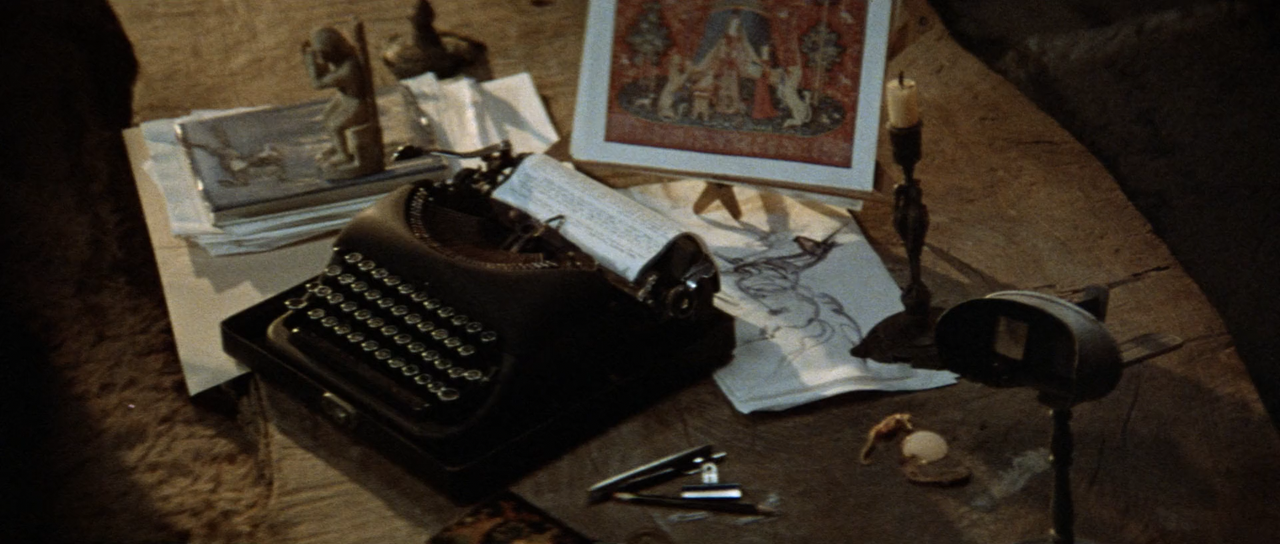
Cathryn's desk. There's a small framed reproduction of one of the six La Dame à la licorne tapestries, a sketch of a galloping unicorn, and a dried seahorse. DP: Vilmos Zsigmond.
“and in big, spidery writing, he wrote
'In search of unicorns.'
The End”
– quote from “In Search of Unicorns”, written by Susannah York
Cathryn (Susannah York), a children's book author, works on a book called “In Search of Unicorns”. Her desk, and mind, are occupied with images from a obscure diegesis.
view
ビルマの竪琴 [Biruma no tategoto / The Burmese Harp] (Kon Ichikawa, 1956)
Apr
8
花祭り
Mizushima (Shōji Yasui) holding his harp, looked over by the reclining Buddha. DP: Minoru Yokoyama.
A film about Buddhism, or set in Japan, in honour of the birth of Buddha, celebrated in Japan on April 8 as 花祭り (Hana Matsuri, aka Flower Festival)
“Can't you see that whatever you do is futile? The armies of Britain and Japan can come and fight all they wish. Burma is still Burma. Burma is the Buddha's country.”
– old monk
While stationed in Burma, Mizushima disguises himself as a dhutanga, a wandering Buddhist monk, burying the remains of his fellow Japanese soldiers.